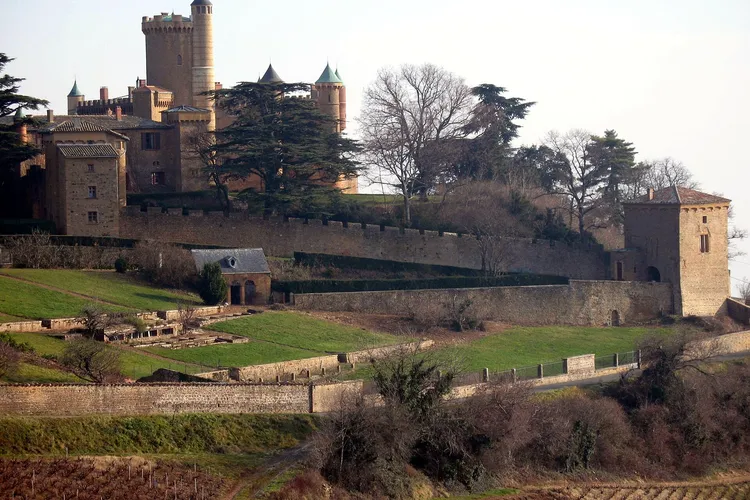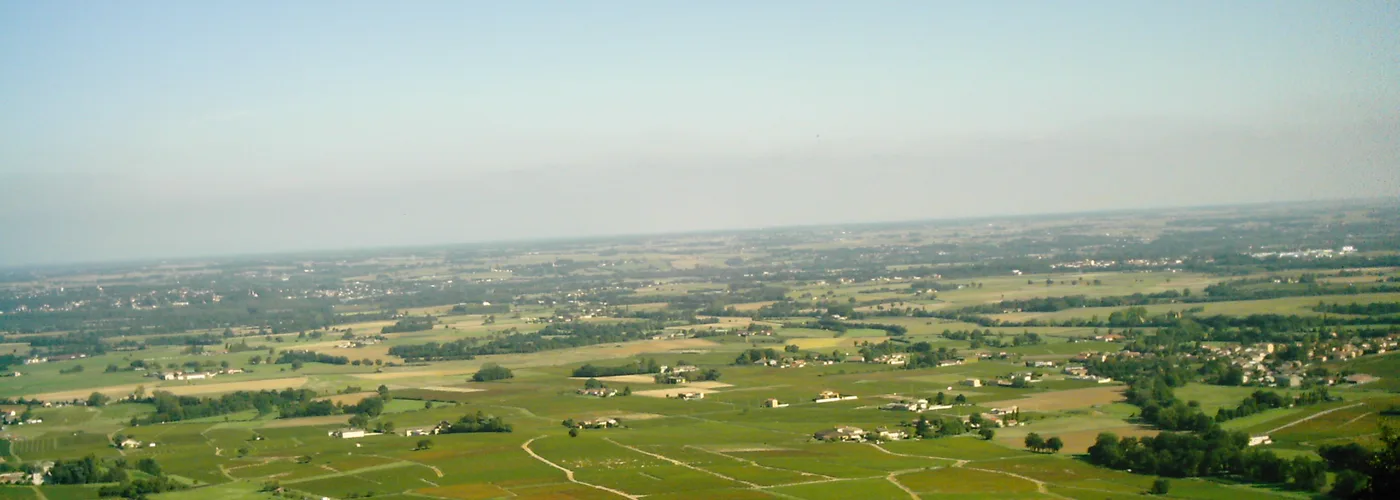
Beaujolais occupies the hills between Mâcon and Lyon, administratively part of Burgundy but a different place in every other respect. The geology splits the region in two: granite and schist in the north, where the ten cru villages sit, and softer limestone and clay in the south, which supplies most of the basic appellation. Gamay covers almost all of it, a grape that would be unremarkable on limestone and is transformed on granite.
Much of the wine is made by carbonic or semi carbonic maceration, fermenting whole bunches in a sealed tank, which brings out bright red fruit and keeps tannin low. That technique and the Beaujolais Nouveau campaign made the region famous and then cheapened it, and the recovery since has come from the crus. Morgon, Fleurie, Moulin-à-Vent, Chénas and the others are village names that behave like serious Burgundy, with structure and the ability to age for a decade or more.