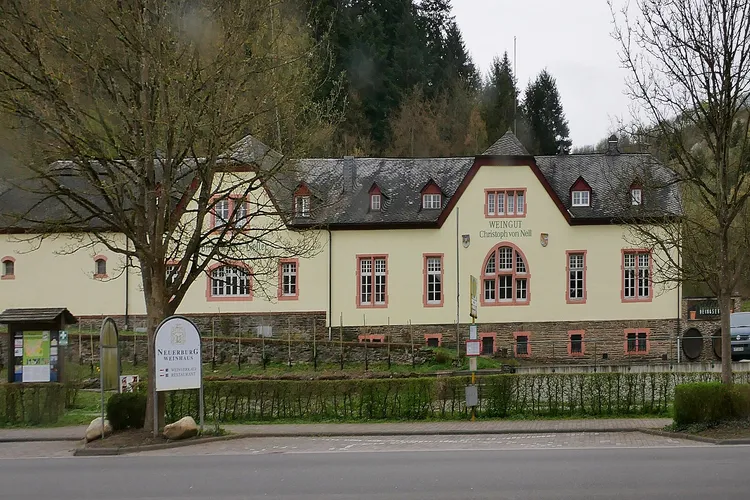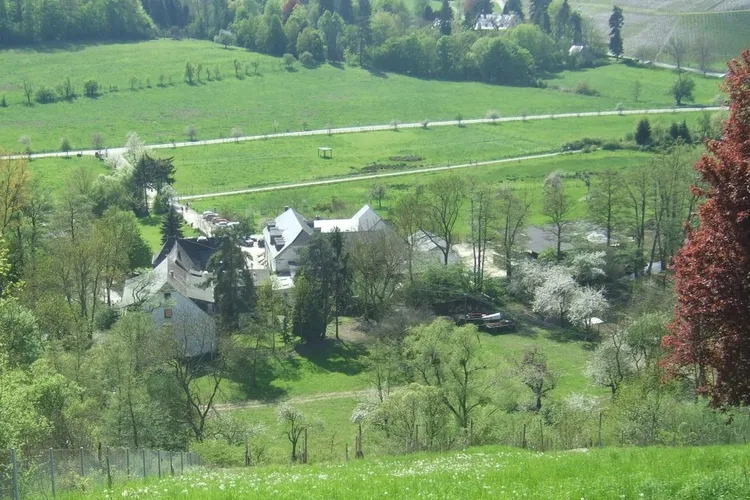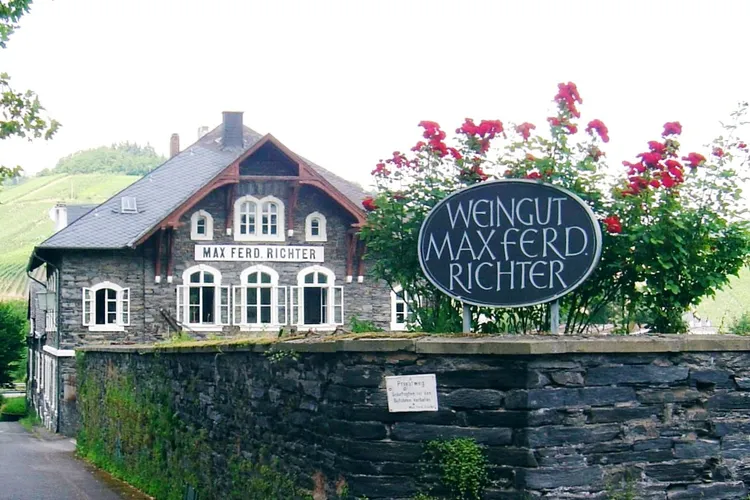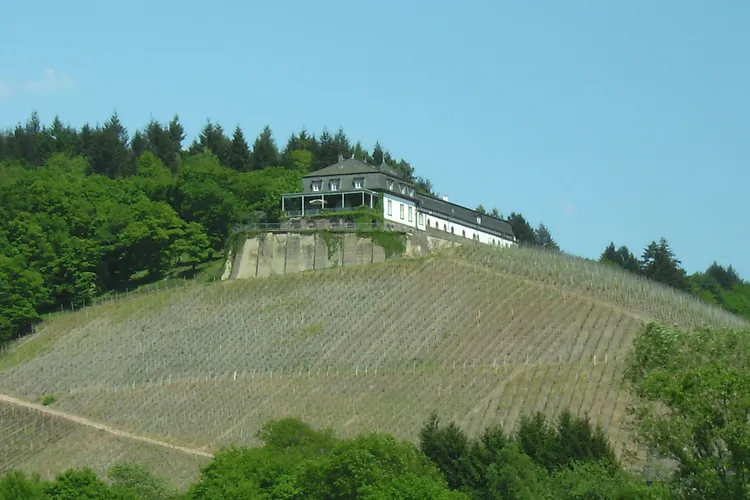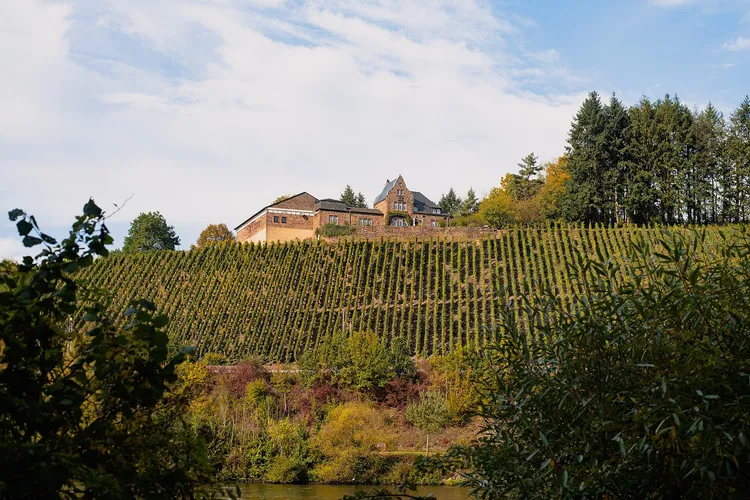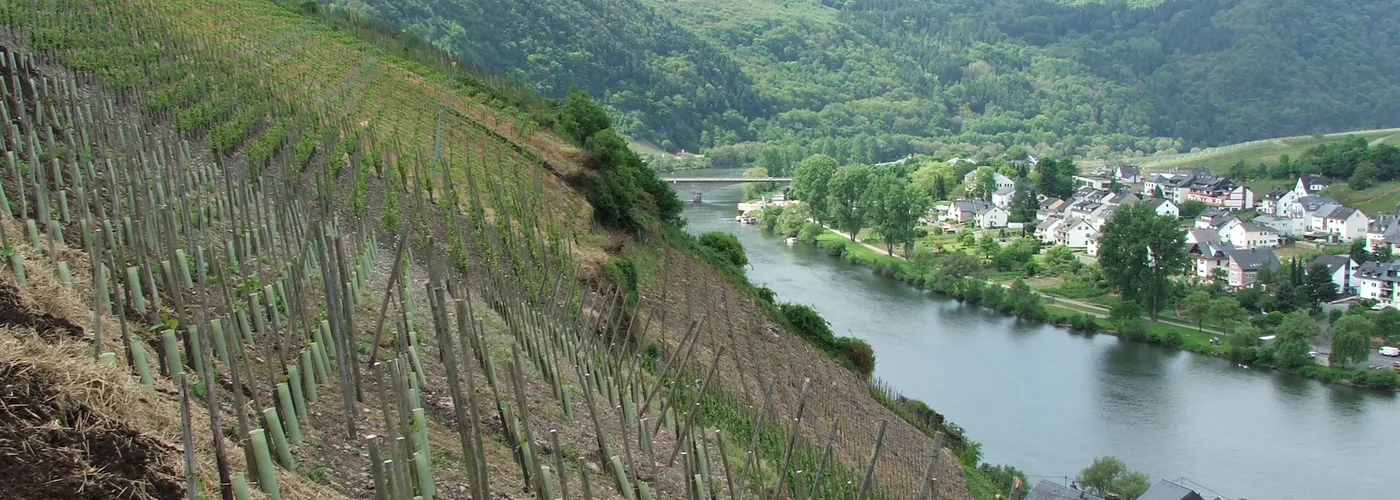
The Mosel winds between Trier and Koblenz in a series of tight loops, and the vineyards sit on the outside of every bend where the slope faces south. Those slopes are the steepest worked anywhere in the wine world, some over sixty degrees, which rules out machinery and means every vine is tended by hand, often from a monorail track. The soil is blue and grey Devonian slate, which holds the day's heat and releases it at night, and it gives the wines the smoky, stony character that defines the region.
Riesling accounts for most of the planting and the Mosel is its benchmark. The wines are low in alcohol, high in acidity and often carry some residual sugar to balance it, a combination that makes them light on the palate and extremely long lived. The Saar and the Ruwer, two small tributaries, belong to the region and make the leanest, most tightly wound versions of all. Until 2007 the region was officially called Mosel-Saar-Ruwer.