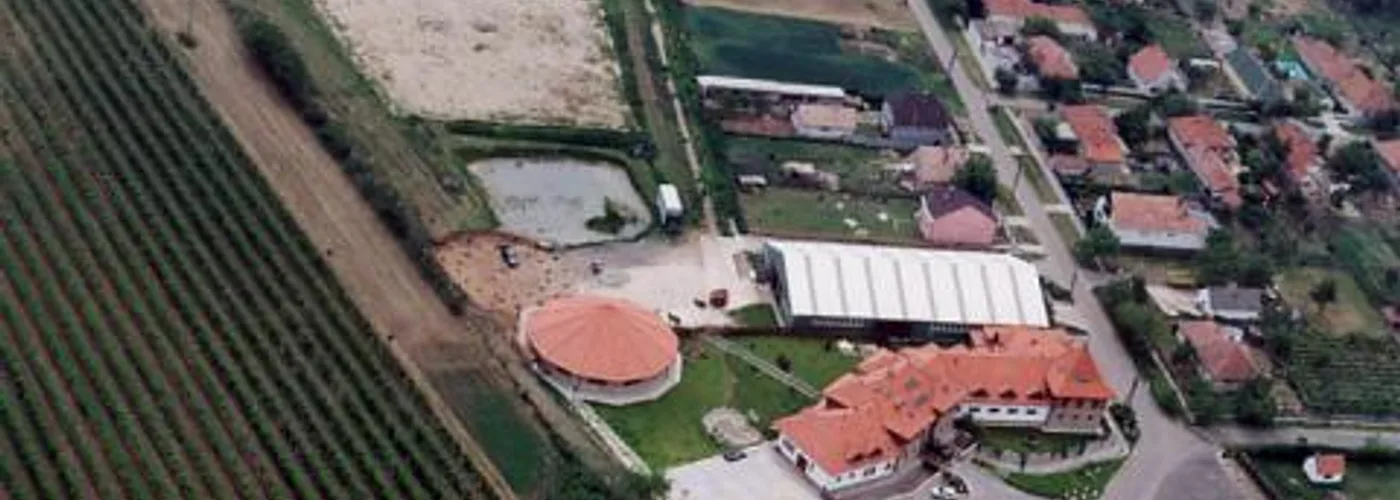
Kunság is the largest wine region in Hungary, spread across Bács-Kiskun and Pest counties in the middle of the Great Plain between the Danube and the Tisza. The land is flat and the soil is sand, blown into dunes and almost pure in places, and that sand is the reason the region exists in its modern form: phylloxera cannot live in it, so after the vine louse destroyed the hill vineyards in the 1880s the state encouraged mass planting here.
The climate is extreme, with hot summers, cold winters and little rain, and the sand reflects heat back at the vines. Output is large and mostly inexpensive, built on Kunleány, Cserszegi Fűszeres, Olaszrizling, Kékfrankos and Zweigelt. This is where much of the everyday Hungarian wine comes from, and the region has spent the last two decades trying to move part of its production towards quality rather than quantity.