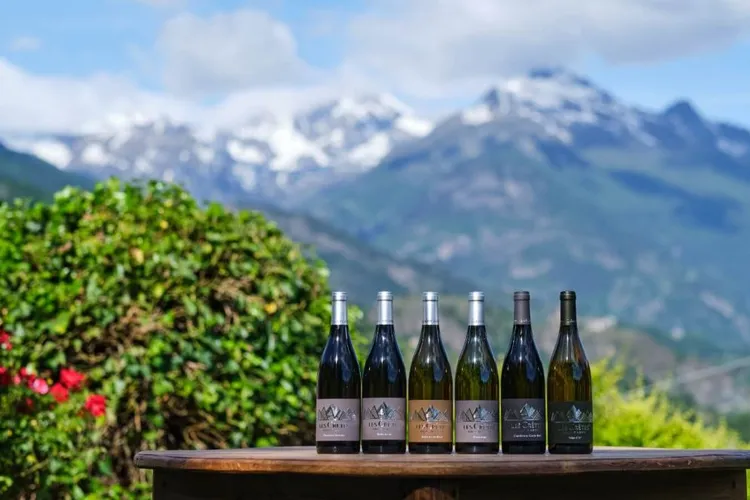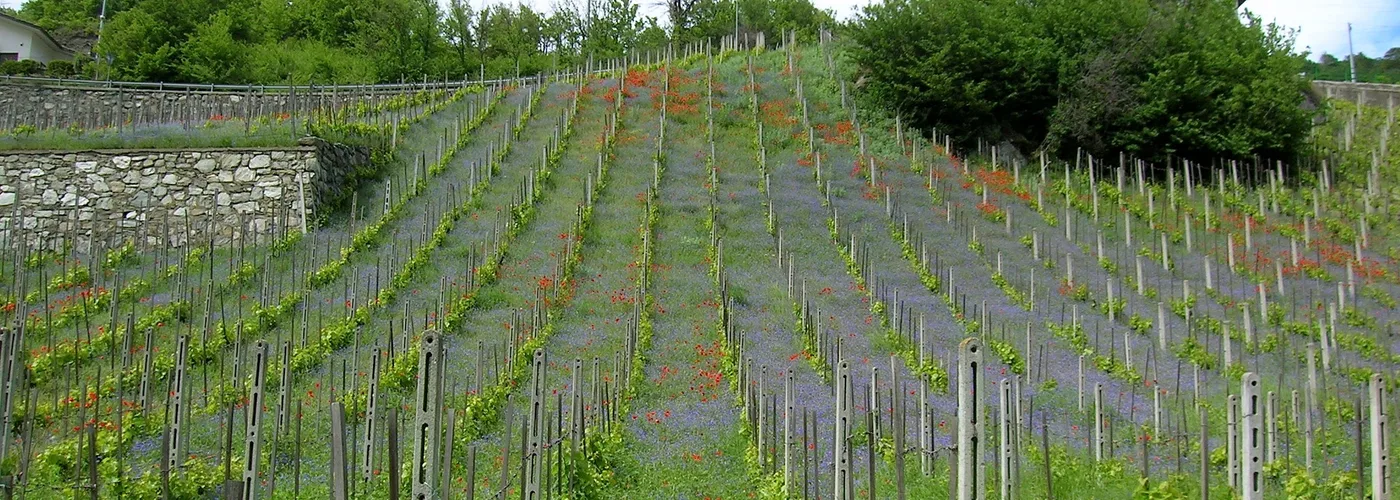
The Valle d'Aosta is the smallest wine region in Italy, a single valley running from Mont Blanc down to the Piedmontese border with its vineyards terraced on the sunny side between 500 and 1,200 metres. Everything about it is extreme: the plots are tiny, the walls are dry stone, the work is done by hand, and the whole region produces less wine than a single large estate elsewhere.
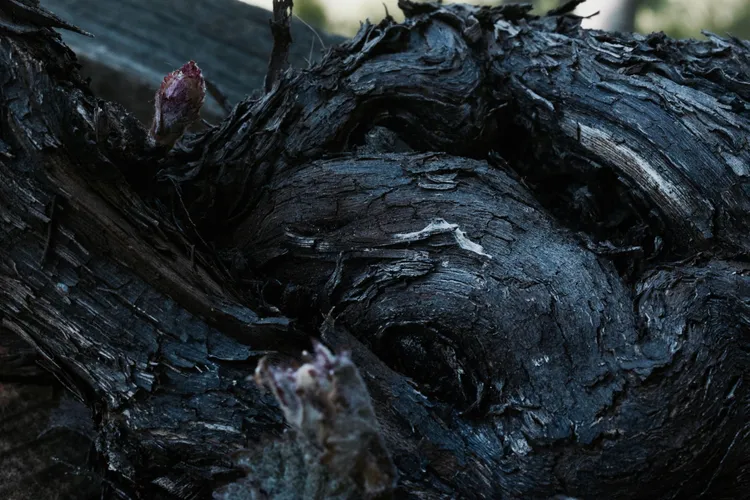
One appellation covers the valley, with seven subzones named after the villages. At the top, Blanc de Morgex et de La Salle grows Prié Blanc on ungrafted vines above 900 metres, among the highest vineyards in Europe, because phylloxera never survived the winters there. Lower down, Petit Rouge makes Torrette and the aptly named Enfer d'Arvier, Fumin and Cornalin give darker wines, Nebbiolo takes over at Donnas on the Piedmont border, and Chambave grows Muscat for a dried grape wine.