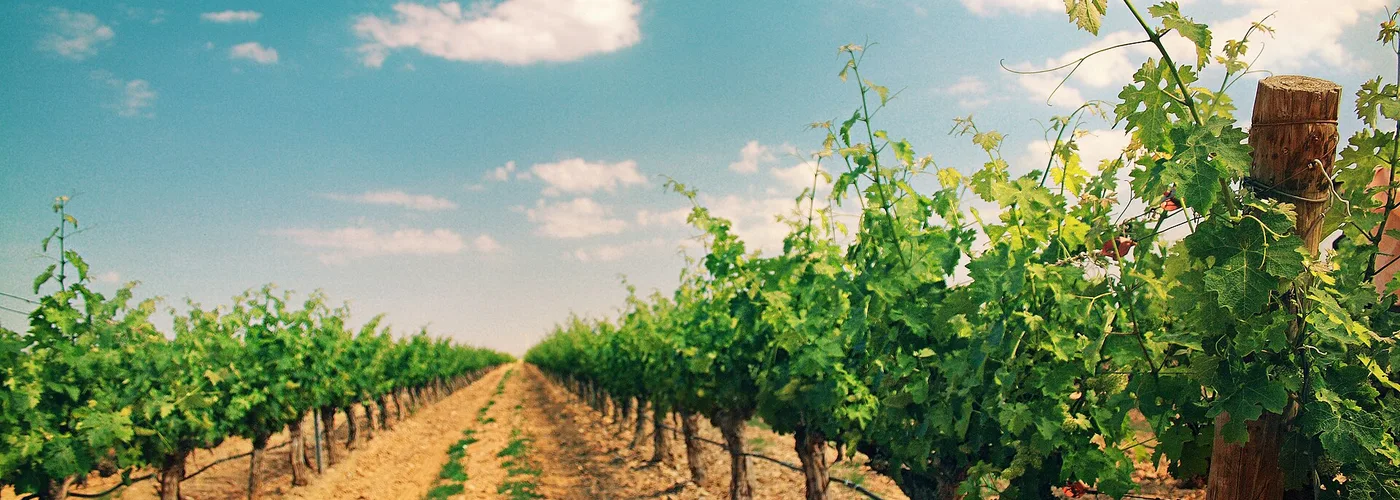
Campo de Cariñena lies in the middle of Aragon, between the Jalón and the Huerva in the province of Zaragoza, on a dry plateau where the Iberian System falls away towards the Ebro. Around 15,700 hectares are under vine, which makes it one of the larger Spanish appellations, and it has held appellation status since 1932, among the first granted in Spain.
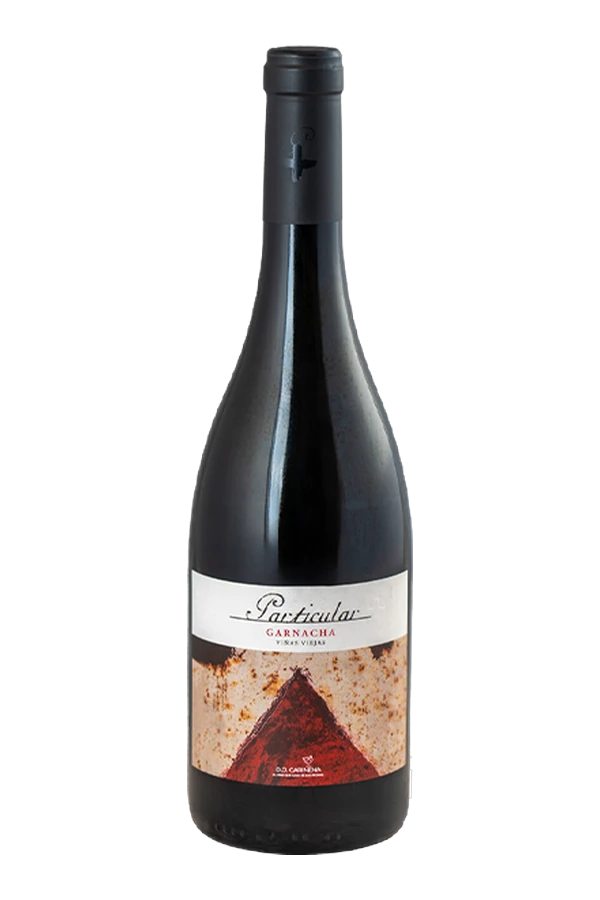
The town gave its name to the Cariñena grape, which the French know as Carignan and the Catalans as Samsó, although the variety that actually dominates the vineyard today is Garnacha, much of it very old and planted on stony, iron rich soil the growers call pedregal. Summers are hot and short, winters long and cold, and the cierzo wind blows hard through the vines. The wines are deep and warm, and the region spent most of the twentieth century supplying them in bulk before turning to bottling under its own name.