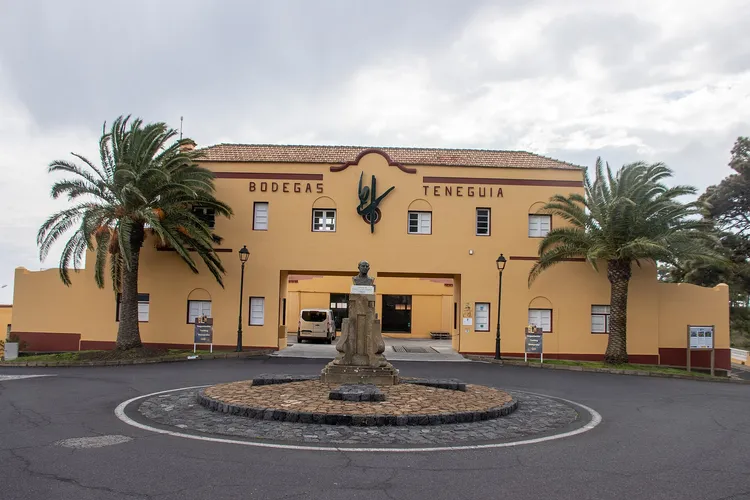
La Palma is the steepest of the Canary Islands and its vineyards are scattered right round it, from the pine forests of the north to Fuencaliente in the south, where the plots lie on bare black lapilli from the eruptions of 1949 and 1971. Appellation status came in 1994. The island has three traditional zones: Hoyo de Mazo, Fuencaliente and the north, each with its own soils and altitudes between 200 and 1,400 metres.
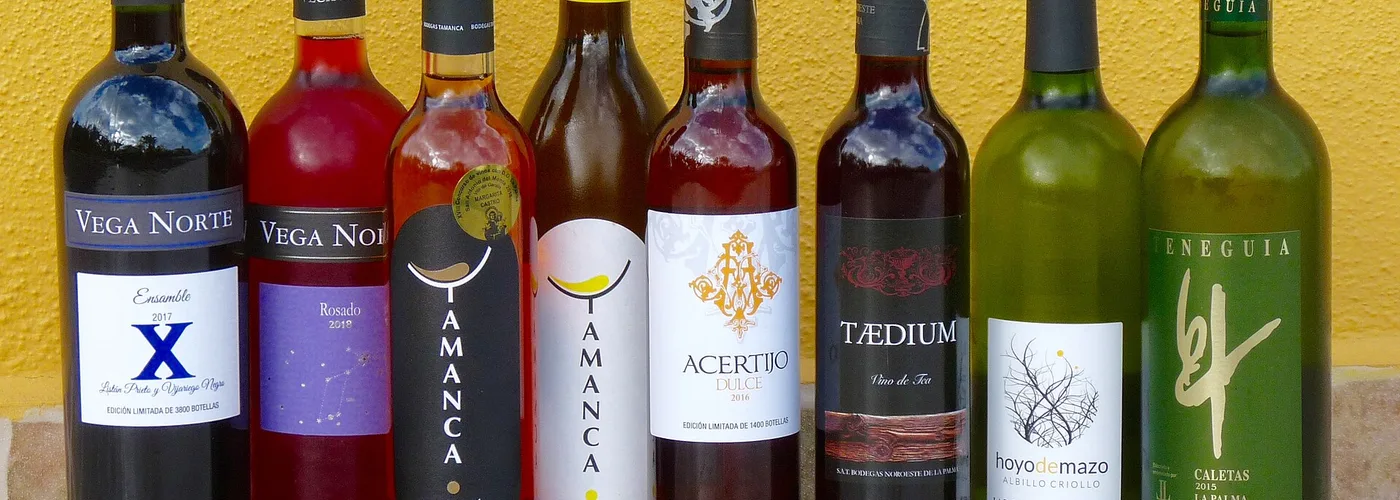
Two things make the island distinctive. The first is Malvasía Aromática, from which the sweet malmsey that made Canary wine famous in the sixteenth century is still produced. The second is vino de tea, a red aged in barrels of heart pine from the local Canary pine, which gives it a strong resinous flavour and which exists nowhere else; it is made in the north and drunk locally. Negramoll and Listán Prieto, elsewhere called País or Mission, supply the other reds.