Manzanilla is made in Sanlúcar de Barrameda, at the mouth of the Guadalquivir, and it has its own appellation because the town produces something its neighbours cannot. The wine starts as the same dry Palomino base as fino, fortified to around fifteen per cent and aged under a veil of flor yeast in a solera, but the flor behaves differently here: the humid Atlantic air coming off the river and the marshes keeps the veil thick and active all year.
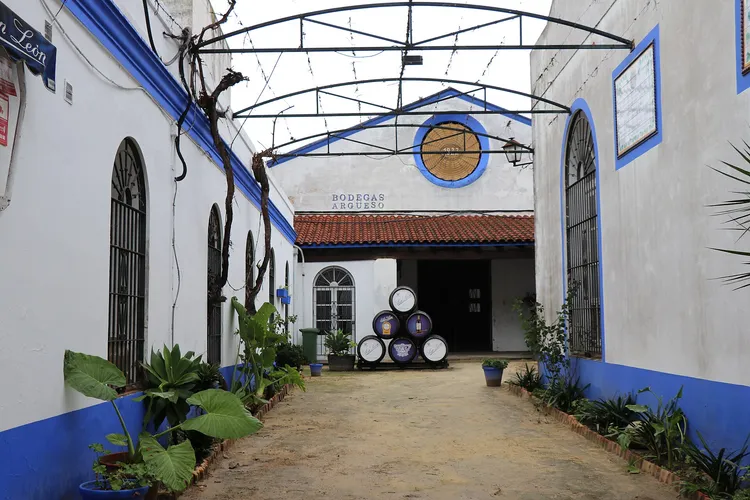
The result is lighter, drier and saltier than fino from Jerez or El Puerto, with a note of chamomile that gives the wine its name, since manzanilla is the Spanish word for that flower. The cellars are built high and open, with arched windows positioned to catch the west wind, and the ageing takes place within sight of the sea. Manzanilla pasada is the same wine left in the solera until the flor begins to die back, which makes it deeper and nuttier.