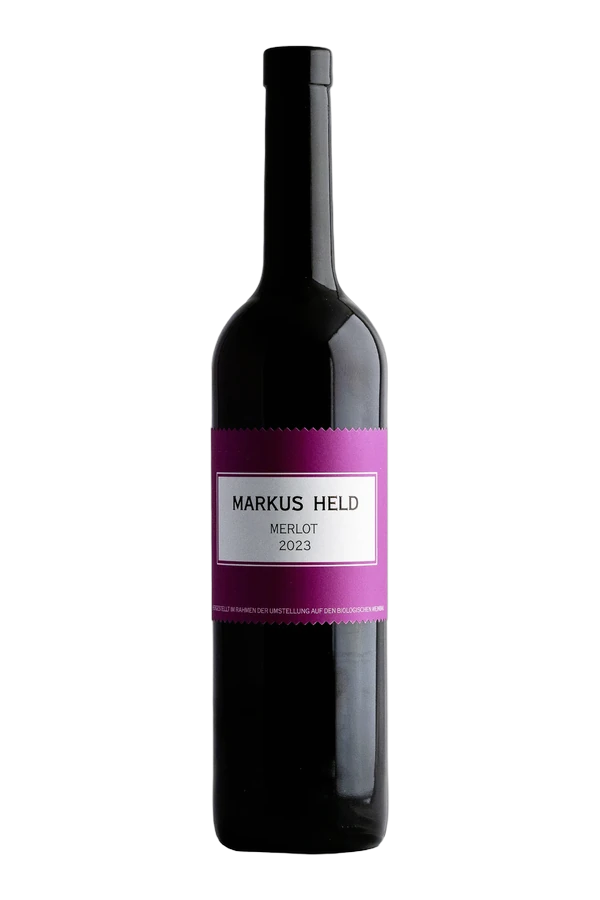
Thurgau lies between Lake Constance and the Rhine in northeastern Switzerland, a landscape of low hills, orchards and dairy farms with vineyards tucked into the warmest south facing slopes. The lake moderates the climate, which is what makes vines viable this far north and east, and the soils are moraine and molasse.
The canton's real contribution to wine is a person rather than a place. Hermann Müller, born at Tägerwilen in 1850, bred the crossing that carries his name and that of his canton, Müller-Thurgau, which went on to become one of the most planted white grapes in the world. In Switzerland it is usually called Riesling-Silvaner after its presumed parents, and it is still widely grown here. Blauburgunder accounts for most of the red. Production is small and sold almost entirely within the region, often at farm shops alongside cider and fruit.