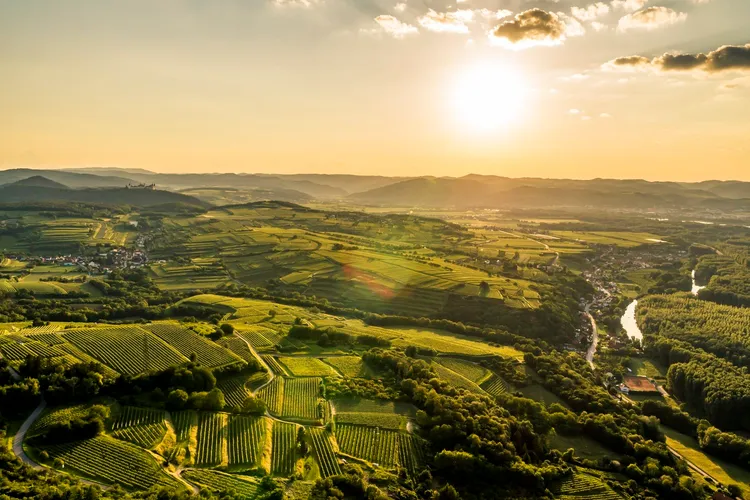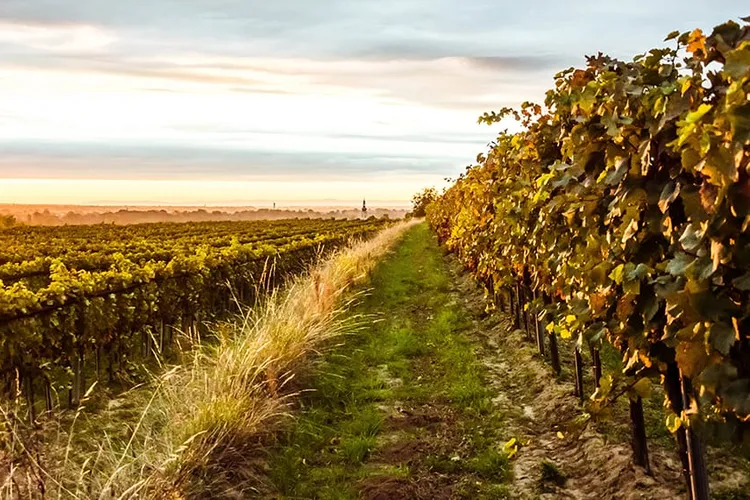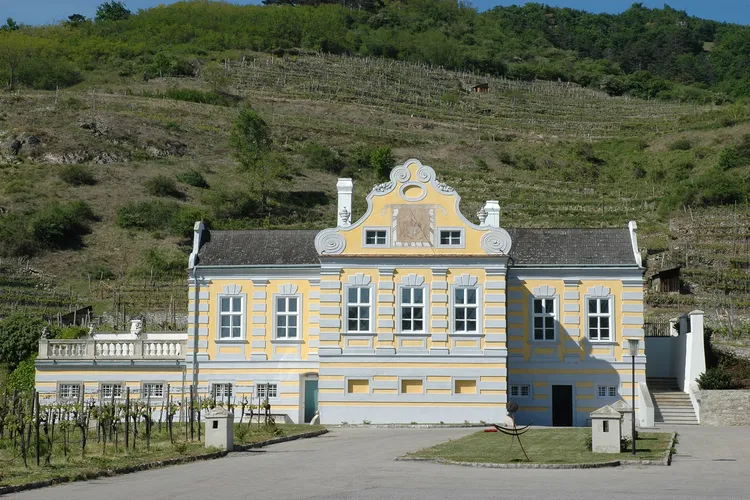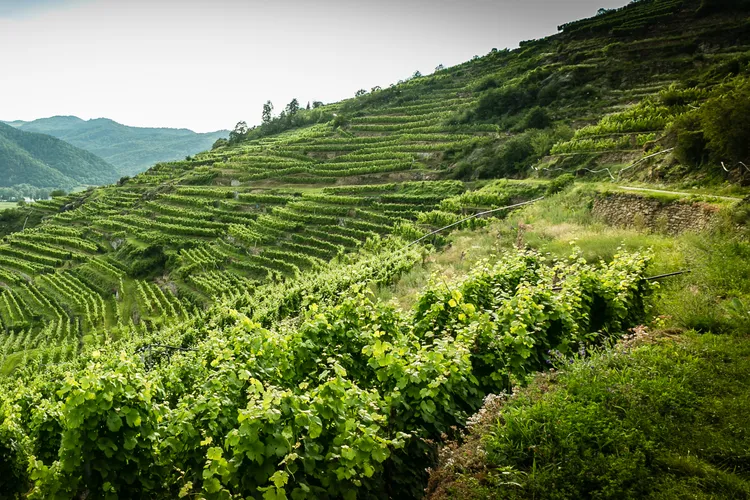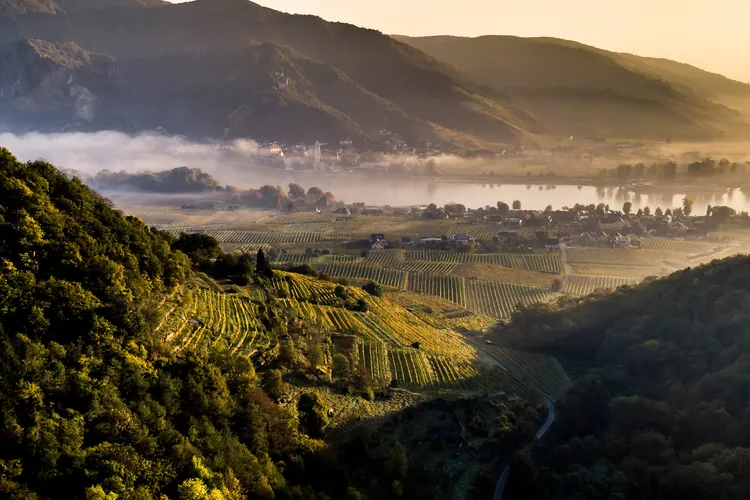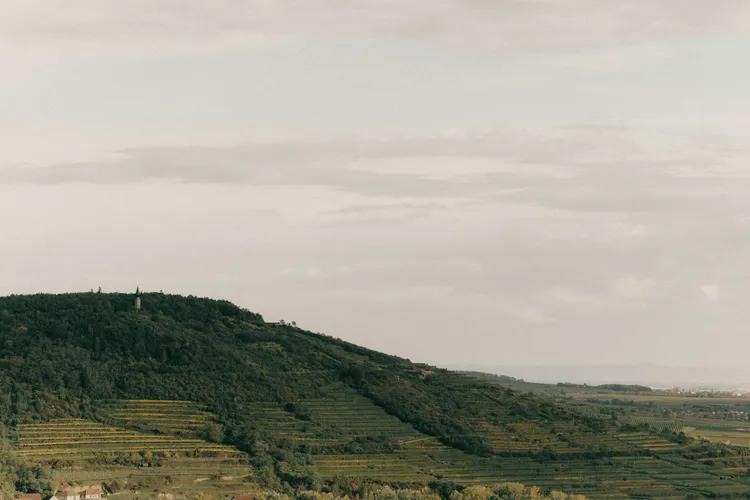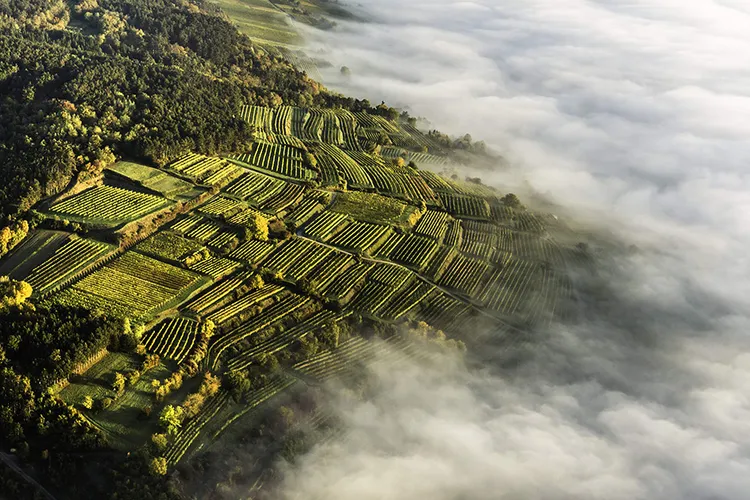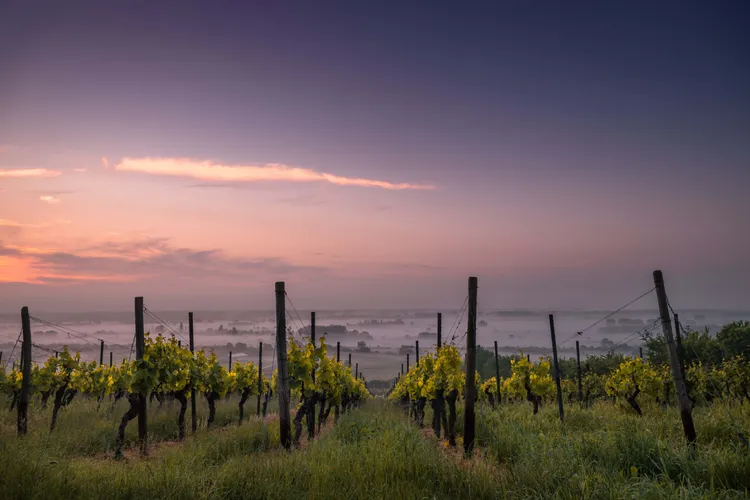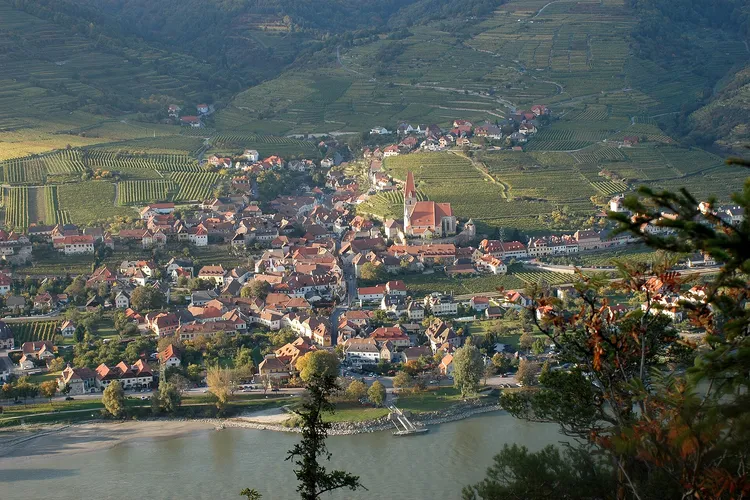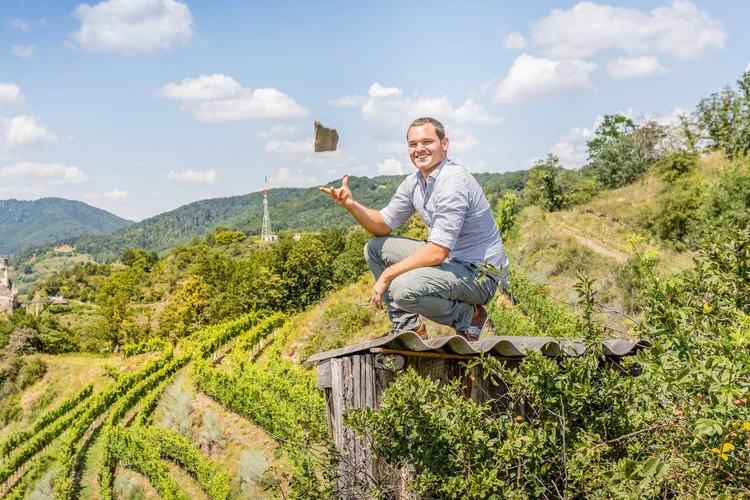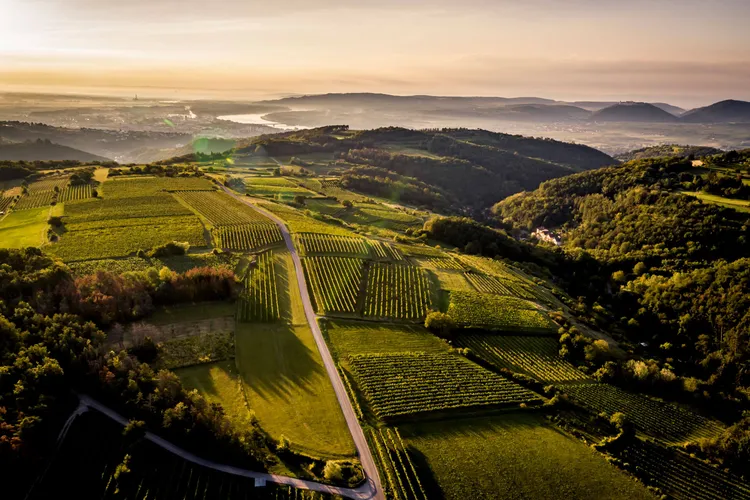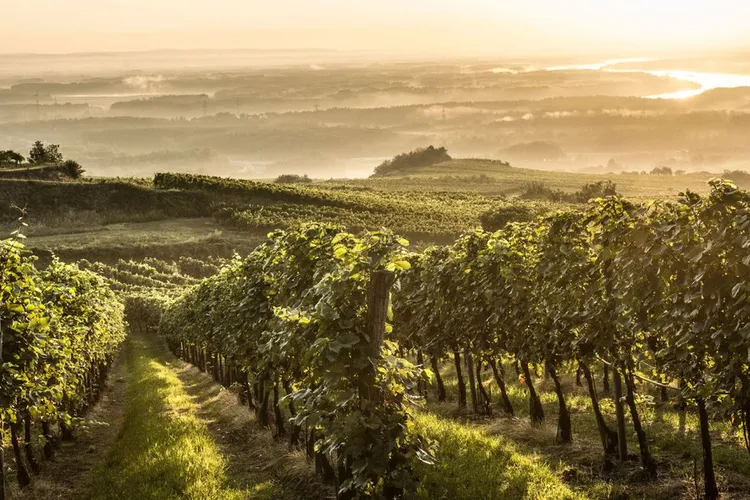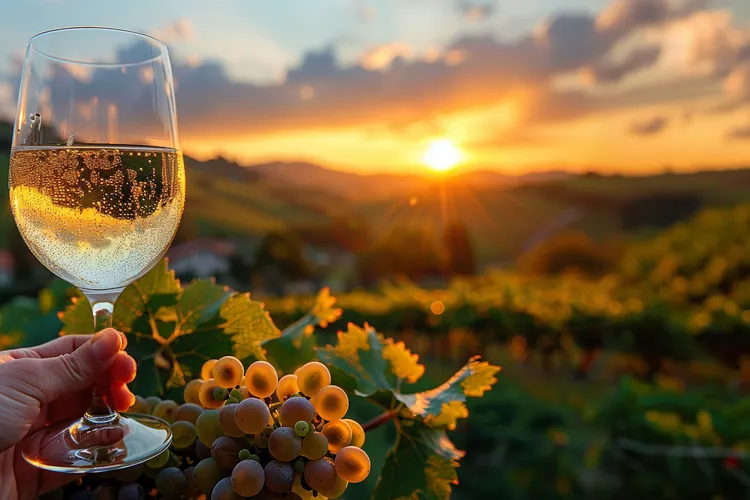
The Wachau is a 30 kilometre stretch of the Danube between Melk and Krems, where the river cuts through hard primary rock and the slopes rise straight out of the water in dry stone terraces, some of them built a thousand years ago. Two climates meet here: warm Pannonian air from the east and cool air coming down off the Waldviertel to the north. Days are hot, nights are cold, and that gap is what gives the wines their aromatic lift and their nerve.
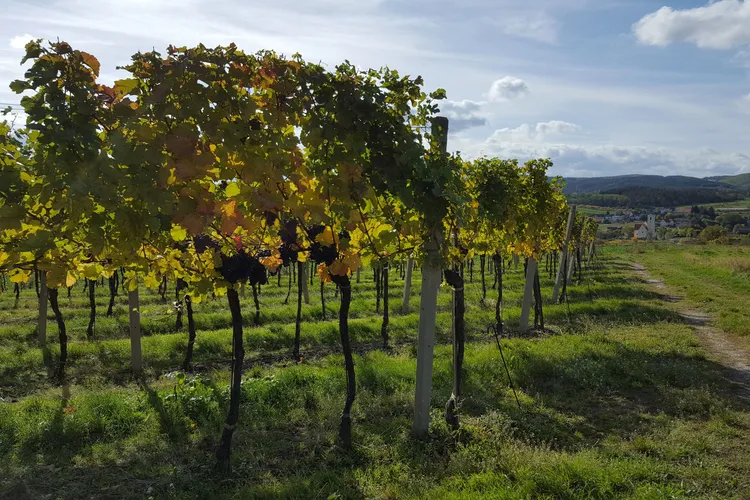
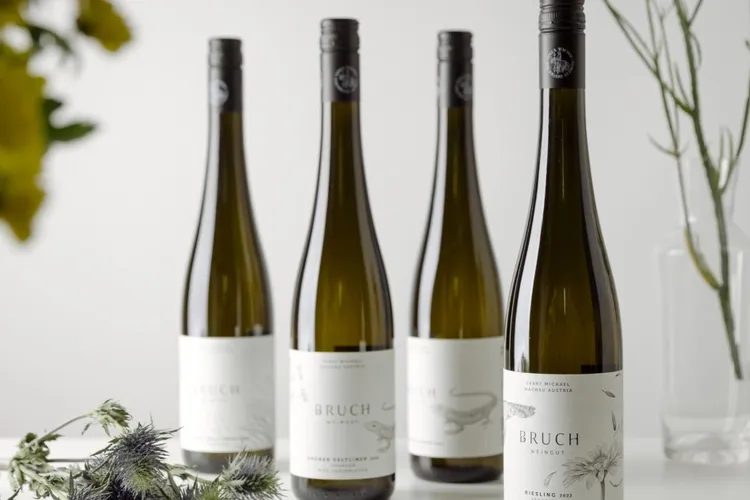
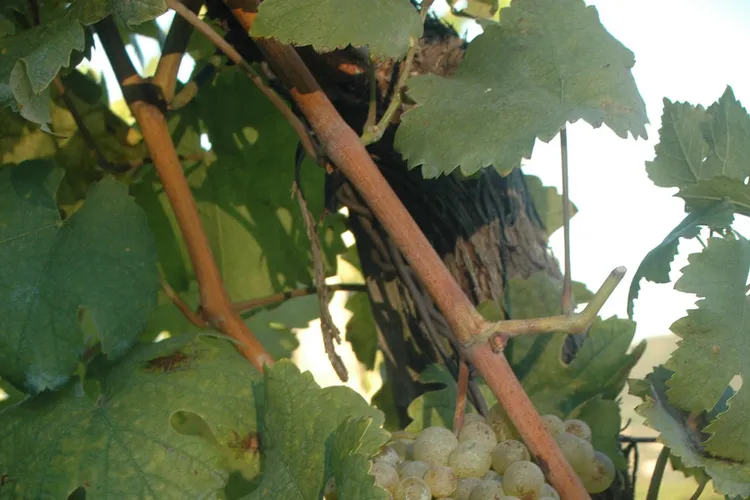
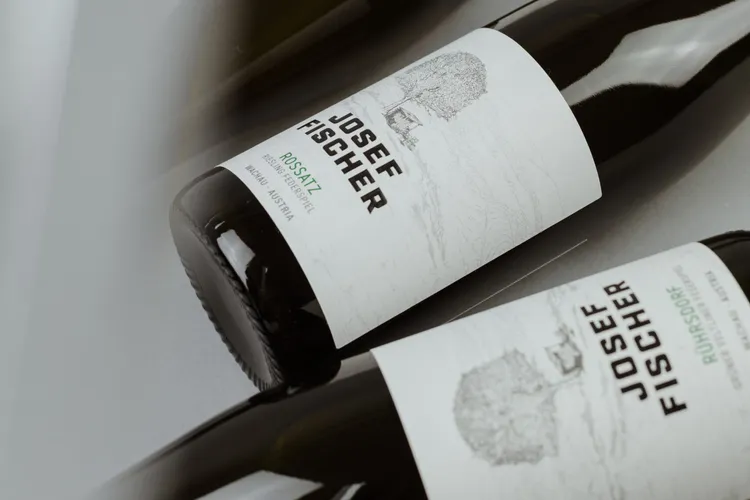
Grüner Veltliner and Riesling account for almost everything. Austria classifies most of its wine by ripeness, but the Wachau went its own way with three categories of its own: Steinfeder for the lightest, Federspiel for the middle and Smaragd for the ripest, dry and powerful. The terraces are too narrow and too steep for machines, holdings are small, and the whole valley is a UNESCO World Heritage site, which limits what can be built and keeps the landscape as it is.