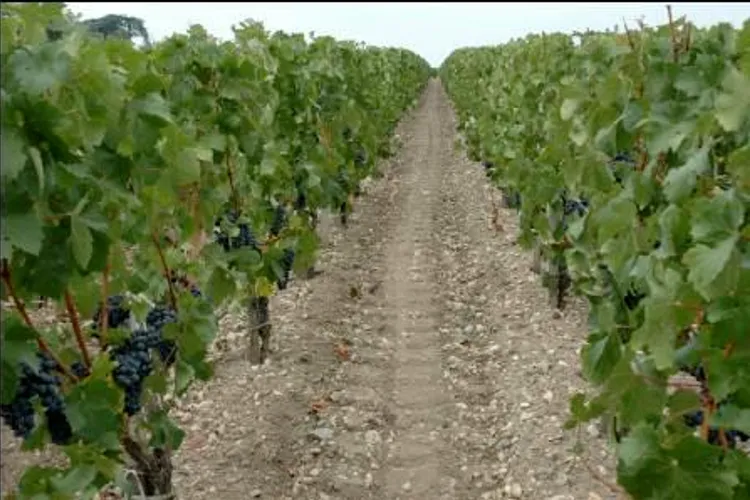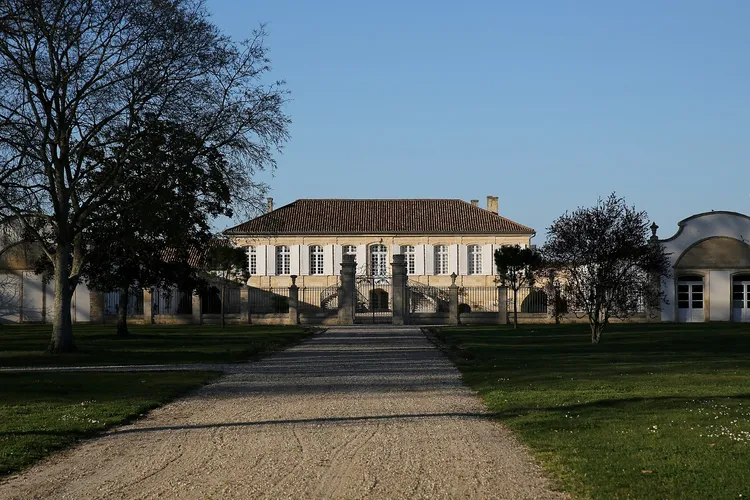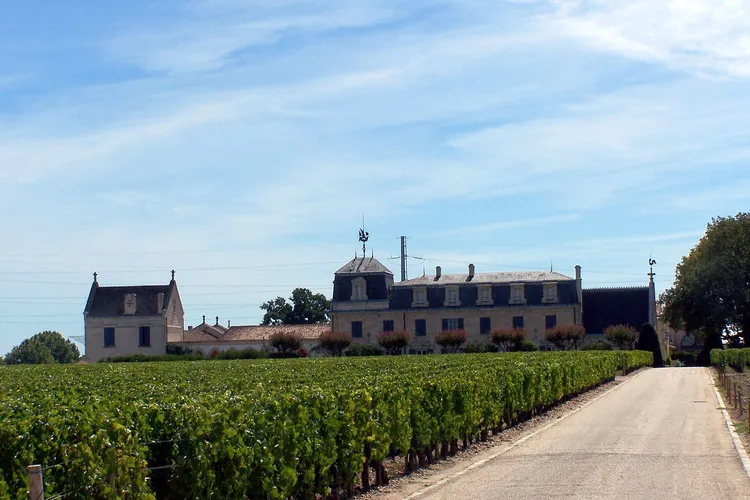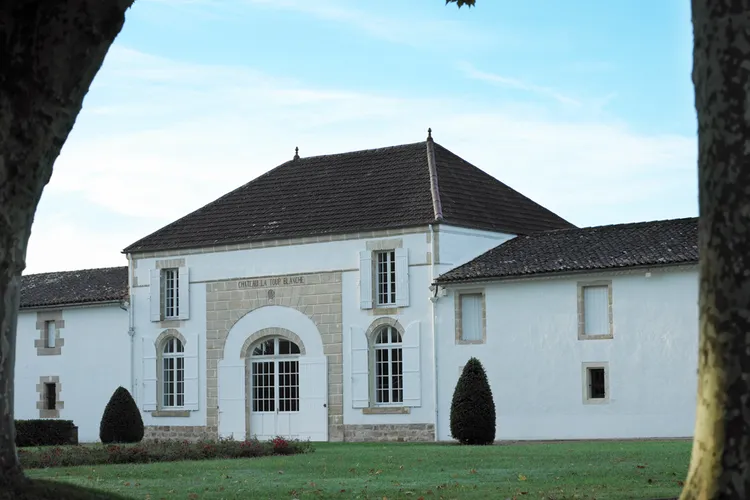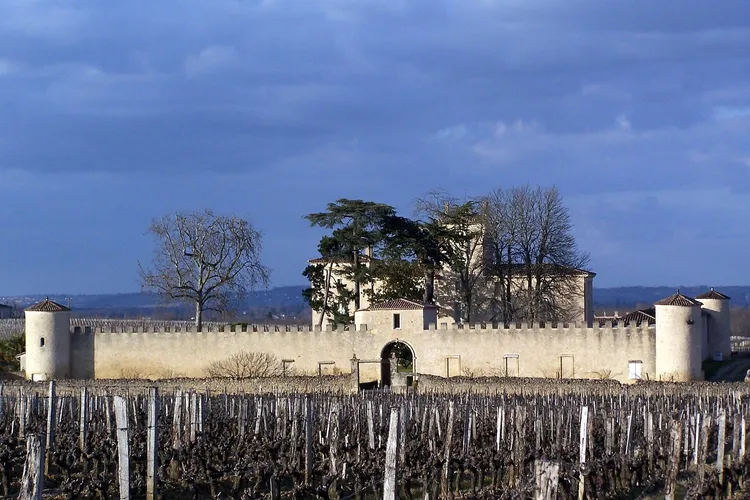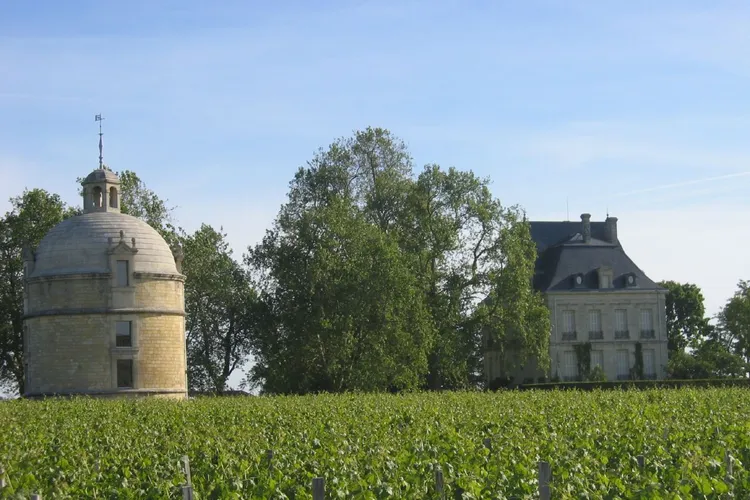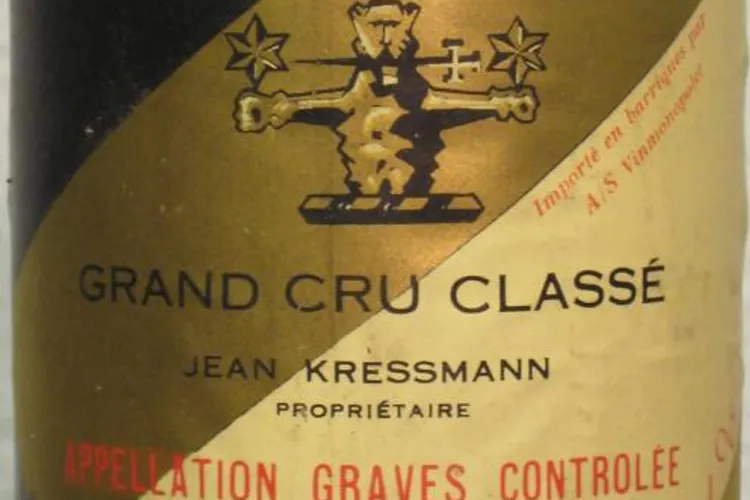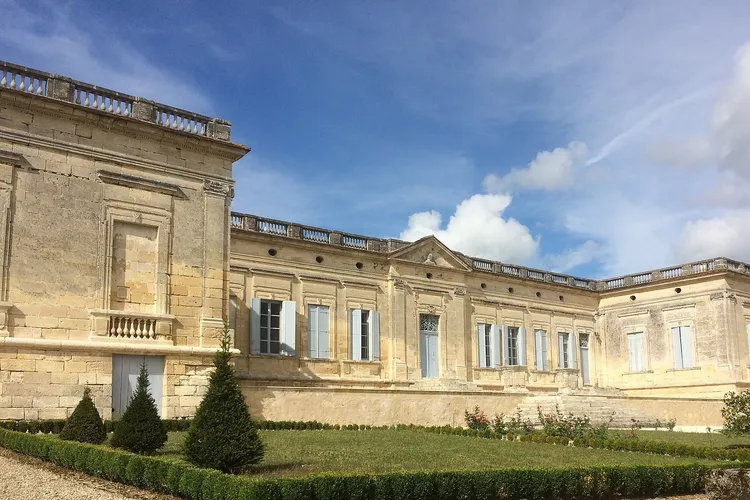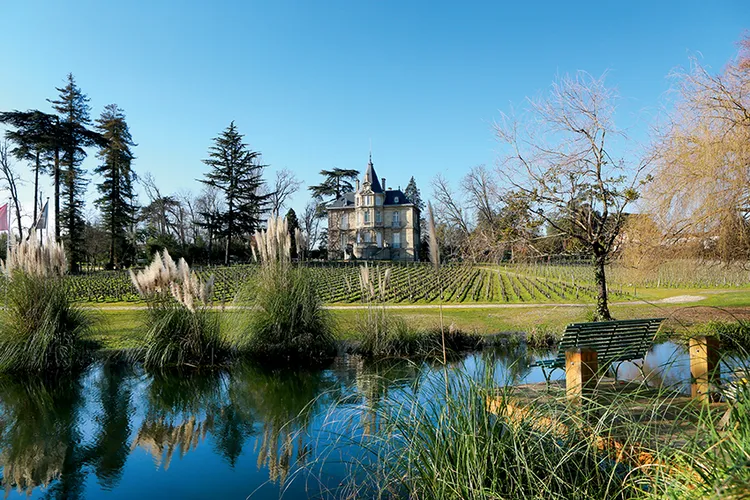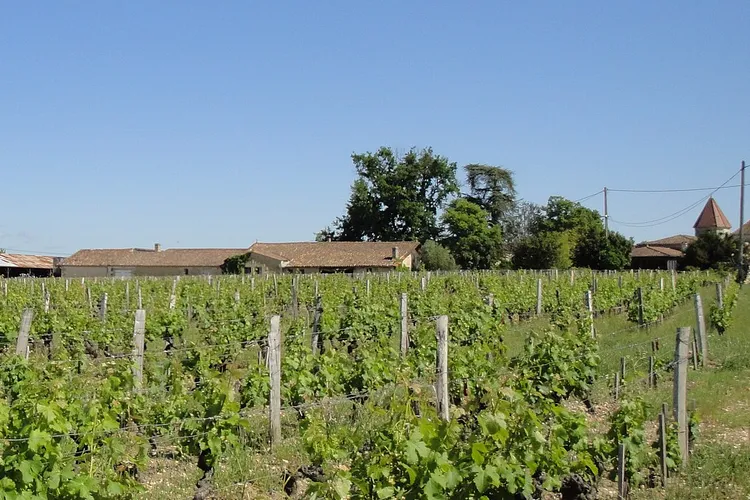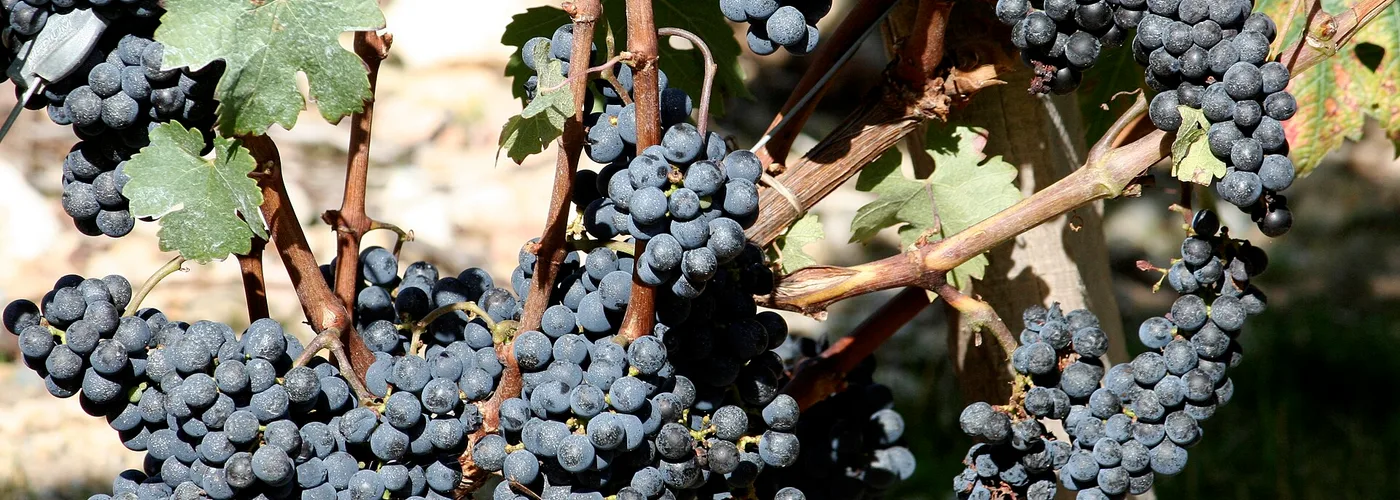
Bordeaux sits where the Garonne and the Dordogne meet to form the Gironde estuary, and the water divides the region into two halves that make wine differently. On the left bank the soil is deep gravel laid down by the river, warm and free draining, which suits Cabernet Sauvignon and produces the firm, long lived wines of the Médoc and Graves. On the right bank around Pomerol and Saint-Émilion the ground turns to clay and limestone, cooler and damper, where Merlot ripens earlier and gives something rounder.
With around 110,000 hectares this is the second largest vineyard area in France, and it produces everything from everyday claret to the most expensive bottles in the world. Almost all of it is red and almost all of it is blended, which is the regional habit: Cabernet Sauvignon, Merlot and Cabernet Franc in varying proportions, with Petit Verdot and Malbec in support. Dry whites come from Sauvignon Blanc and Sémillon, and the same Sémillon, infected with noble rot, makes Sauternes.