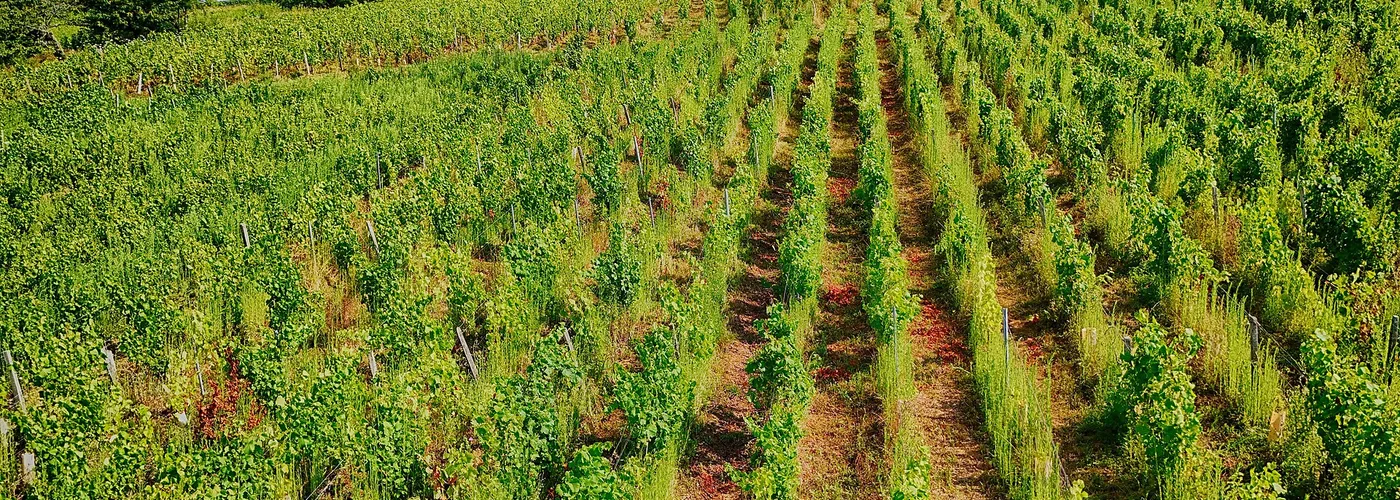
Burgundy runs down the valleys and slopes west of the Saône in east central France, and it is built on two grapes and one idea. Pinot Noir and Chardonnay account for nearly everything, and the idea is that the exact patch of ground matters more than either. A limestone ridge, broken by small valleys that change the angle and the amount of sun each slope receives, has been mapped over centuries into named parcels called climats, each with its own rank.
The hierarchy runs from regional Bourgogne up through village wines to premier cru and, at the top, grand cru vineyards of a few hectares. Ownership is famously fragmented: inheritance law split the vineyards again with every generation, so a single grand cru can have dozens of owners each making their own wine from a few rows. Chablis in the north and Beaujolais in the south belong to the region administratively, though both are usually spoken of as separate places.