Champagne begins about 160 kilometres east of Paris, at the northern limit of where grapes ripen at all. That marginal climate is not a handicap here but the raw material: grapes picked with high acidity and modest sugar make thin, sharp still wine, which is exactly what a second fermentation in the bottle needs. Underneath lies deep chalk, soft enough to dig cellars into and able to hold water through dry summers. The region divides into five districts, the Montagne de Reims, the Vallée de la Marne, the Côte des Blancs, the Côte de Sézanne and the Aube, with Reims and Épernay as its commercial centres.
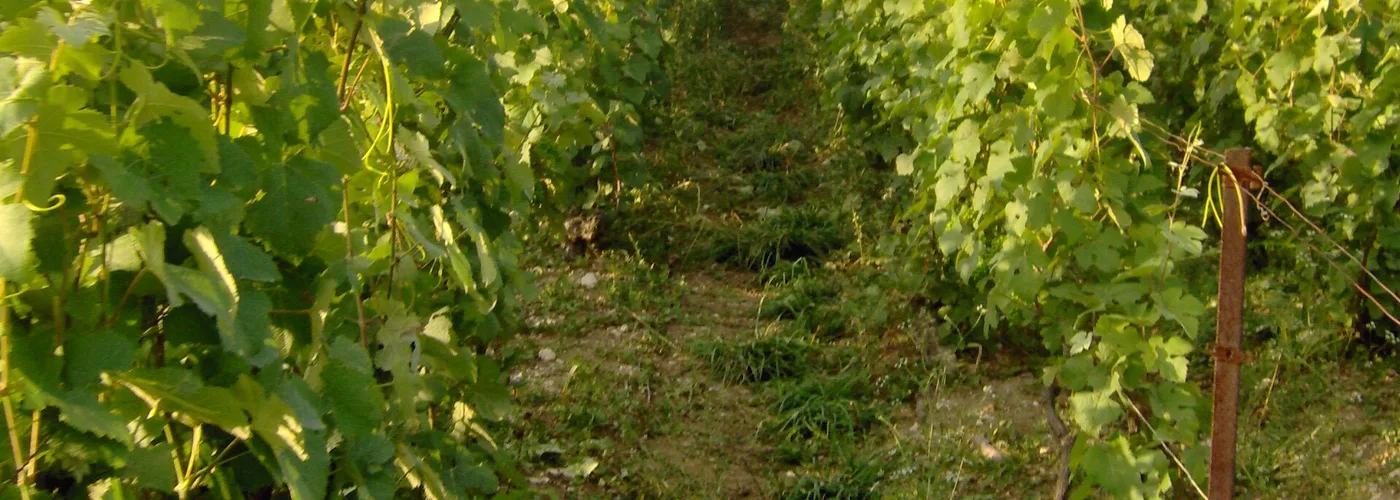
Three grapes do the work. Chardonnay gives precision and length, Pinot Noir body, Meunier early charm and reliability in frost prone sites. Most champagne is blended across villages and across years, which is the point of the house style: a non vintage bottle is meant to taste the same every time, and vintage is declared only when the year is good enough to stand alone.