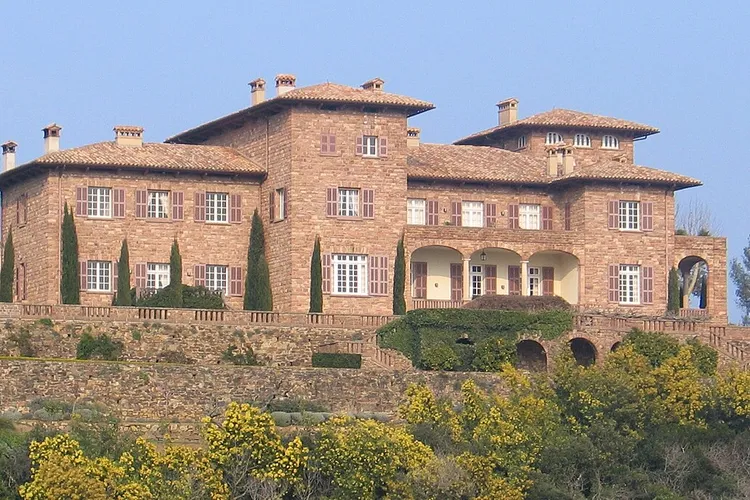
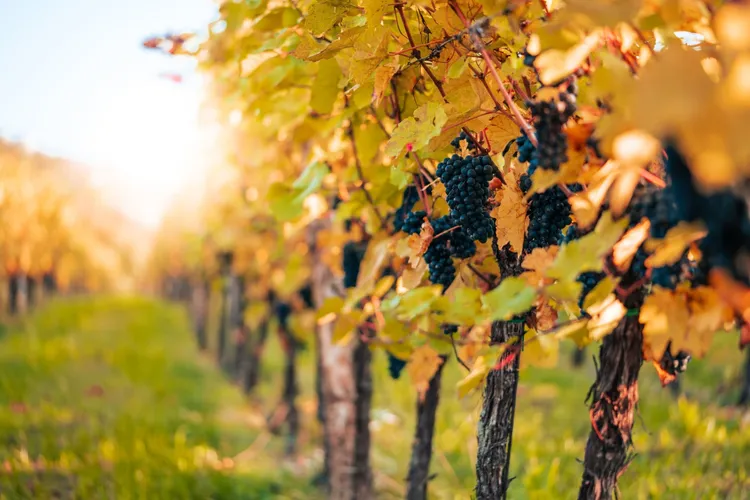
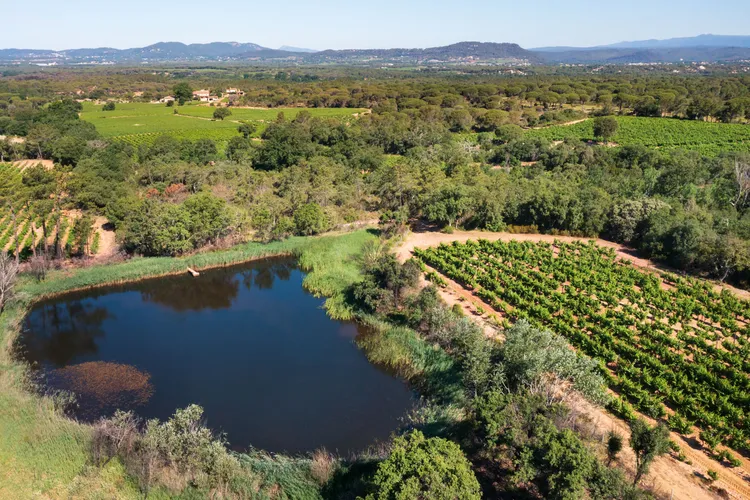
Côtes de Provence stretches across the Var and into the Bouches-du-Rhône and the Alpes-Maritimes, around 20,000 hectares that make up roughly four fifths of the Provençal vineyard. The land is broken by limestone ridges, crystalline massifs and coastal hills, which gives a wide spread of soils and exposures, and the mistral blows through hard enough to dry the vines and keep disease down in a climate that is otherwise hot and still.
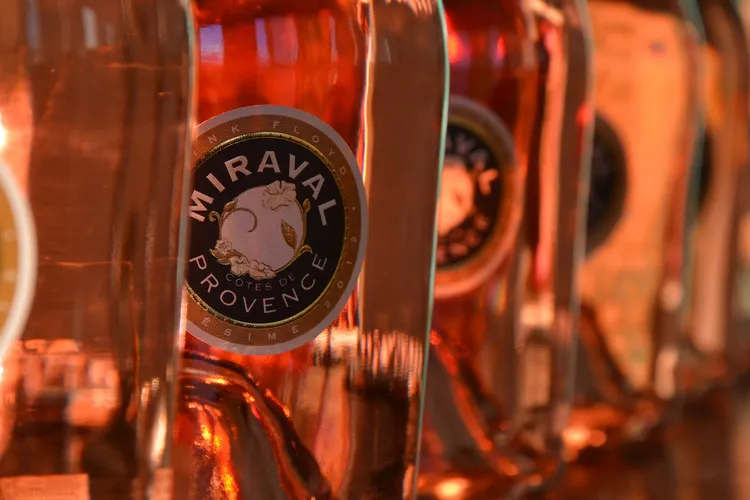
More than eighty per cent of the production is rosé, and this region did more than any other to define what modern rosé looks like: very pale, dry, pressed quickly off the skins and made to be drunk cold and young. Grenache, Cinsault, Syrah, Mourvèdre and the local Tibouren supply the fruit. Reds and a small quantity of white are made as well, and a handful of estates have built serious reputations on them, but the colour that leaves the region is pink.