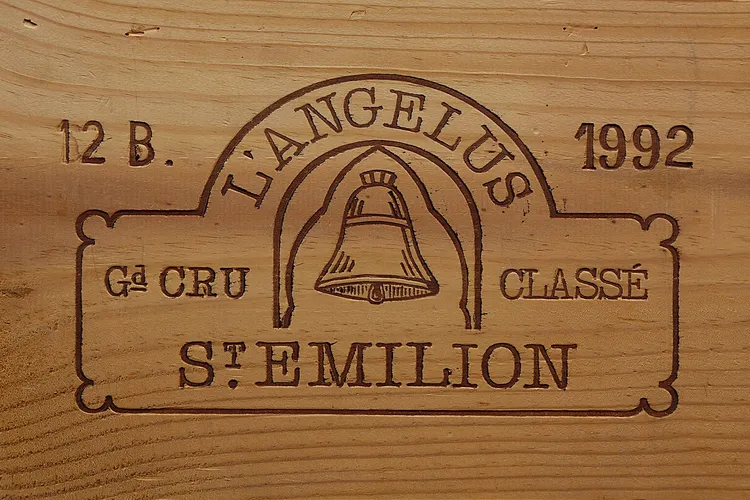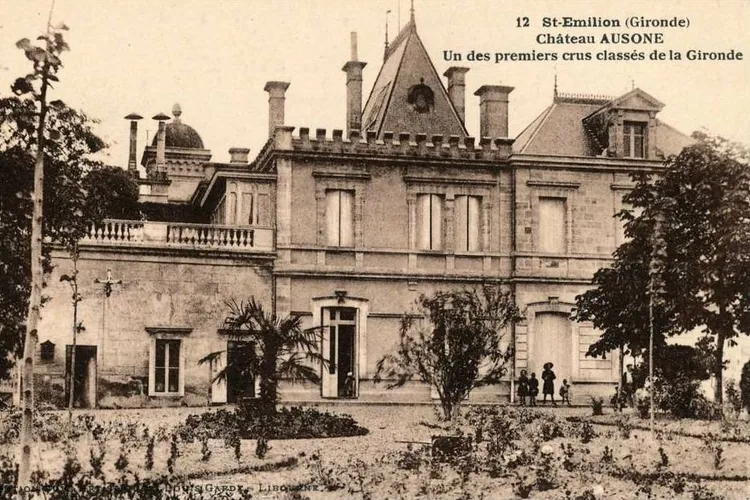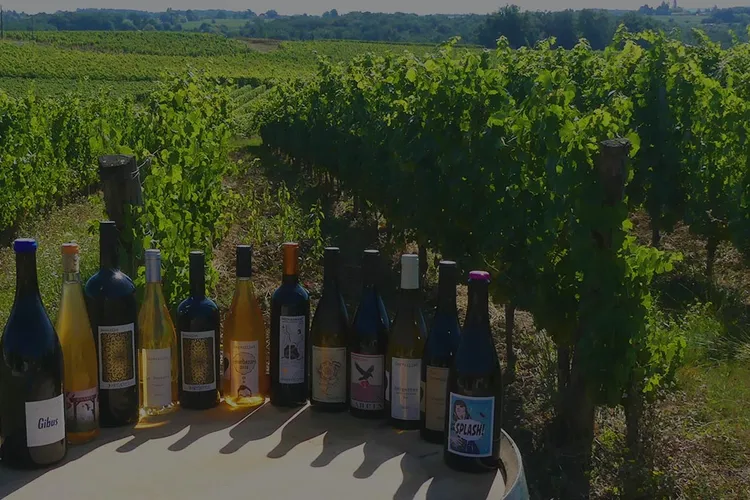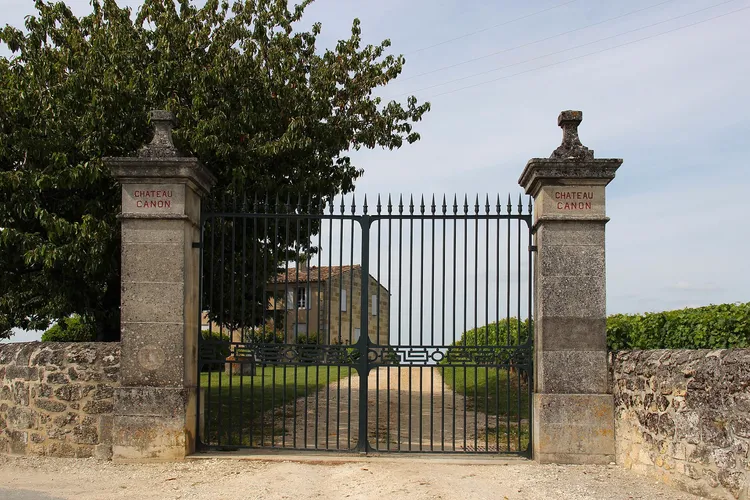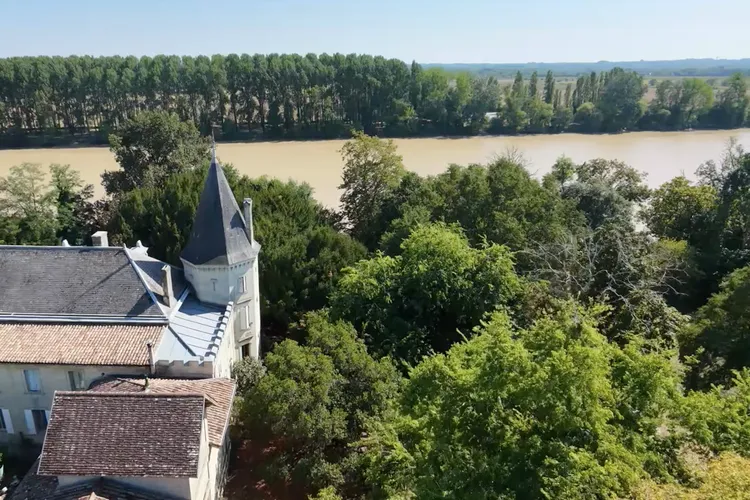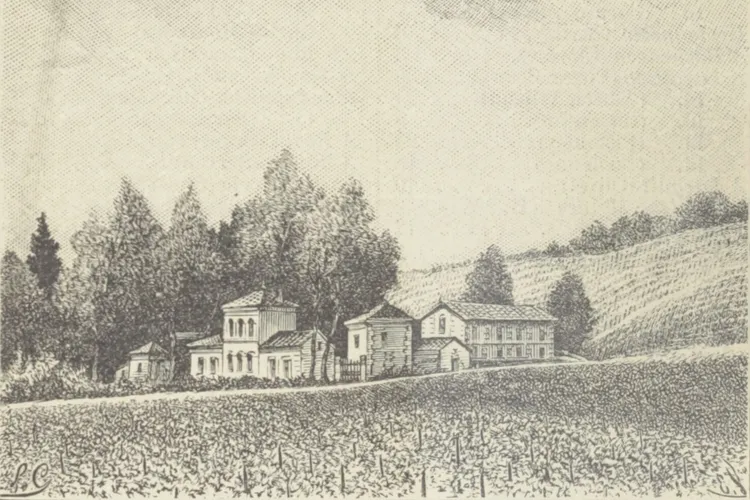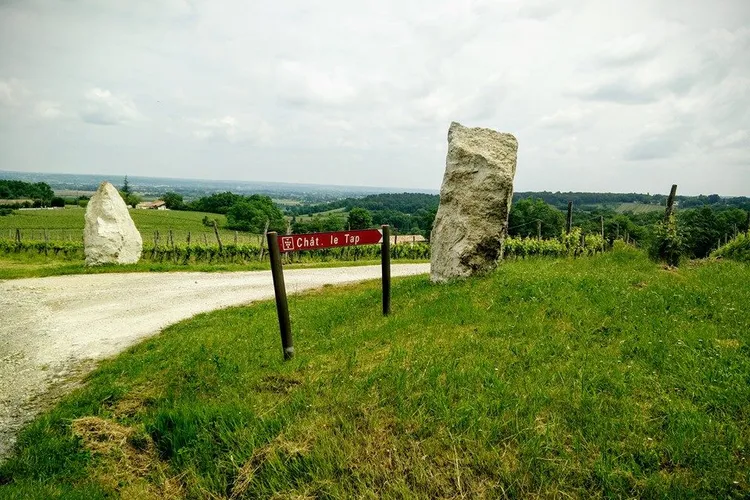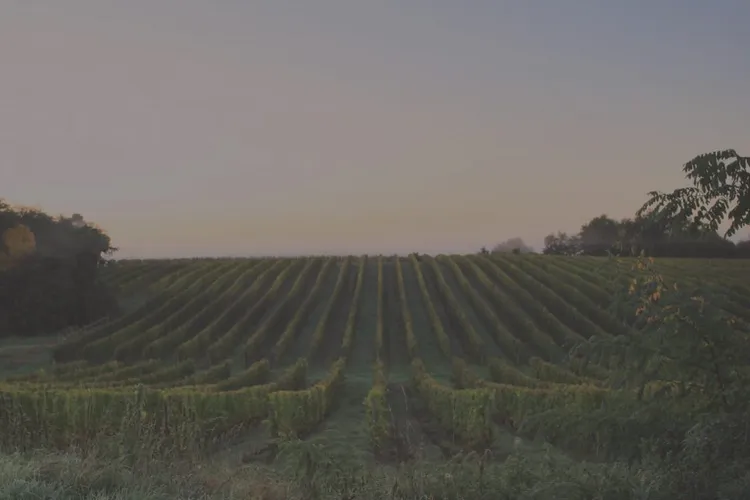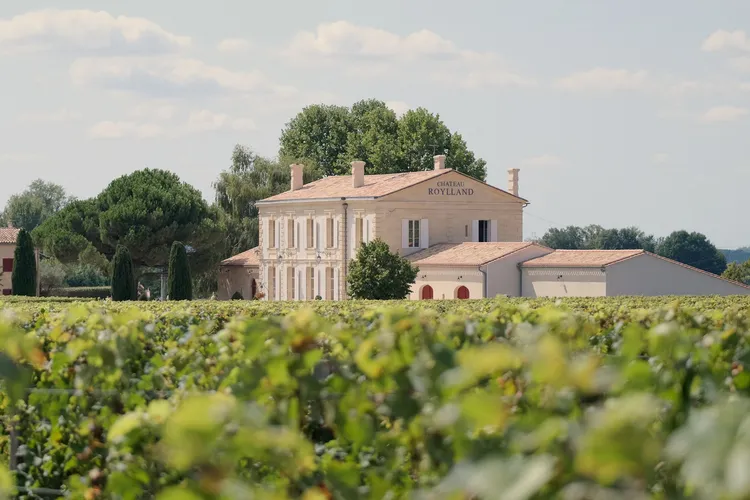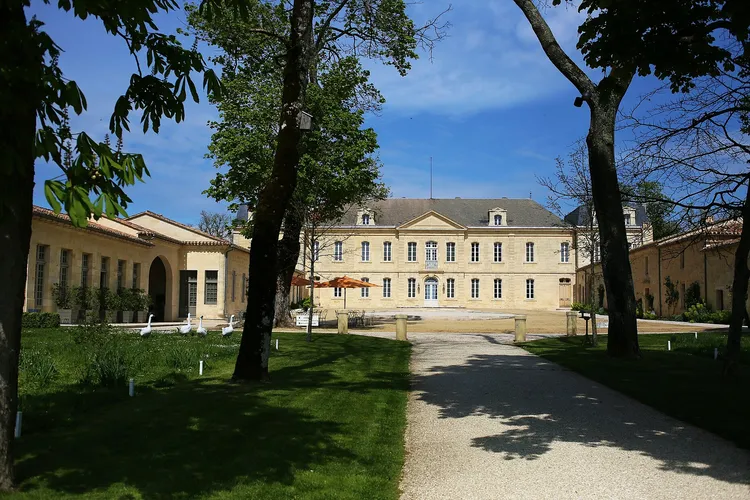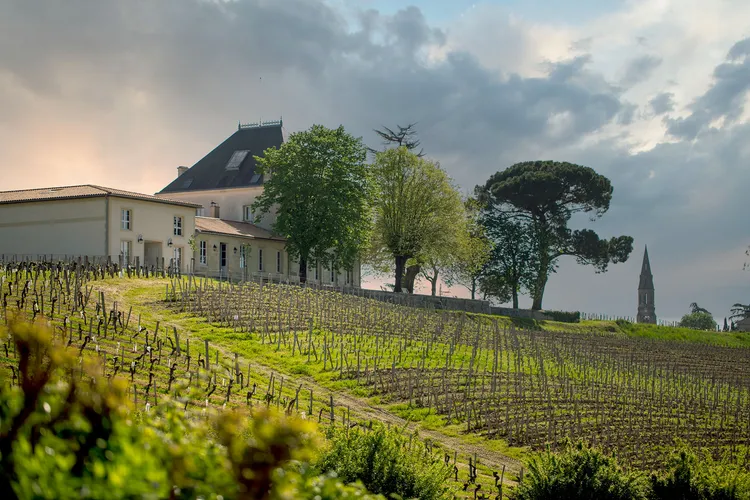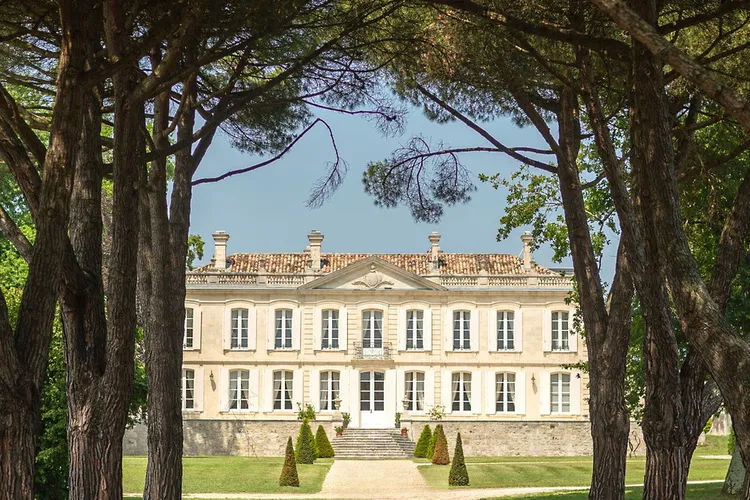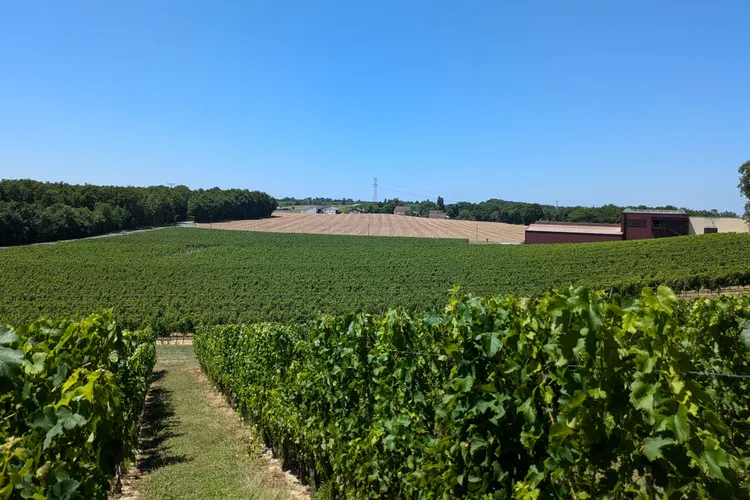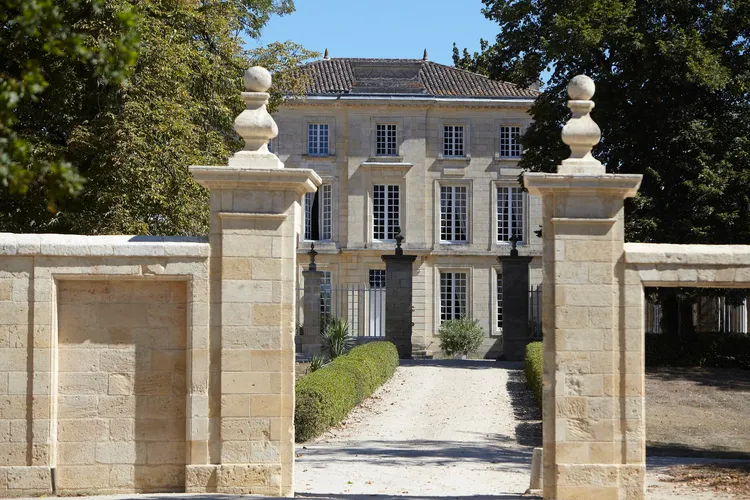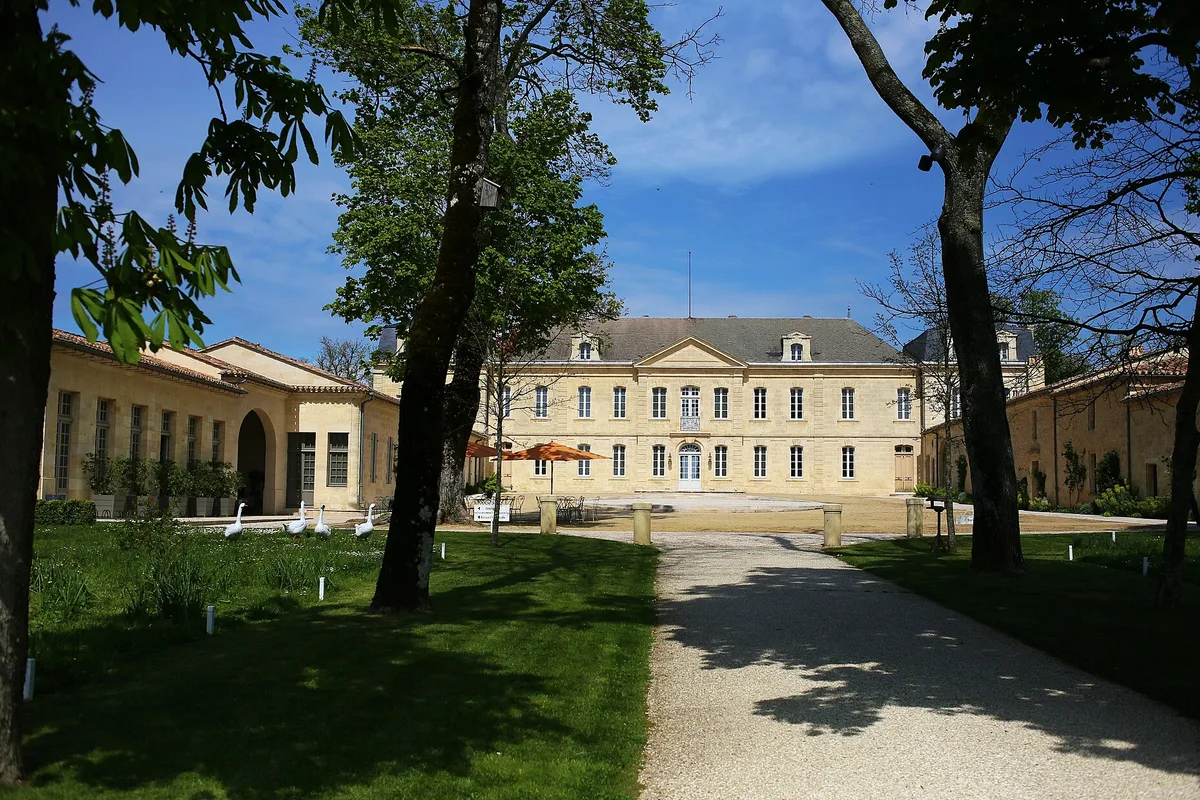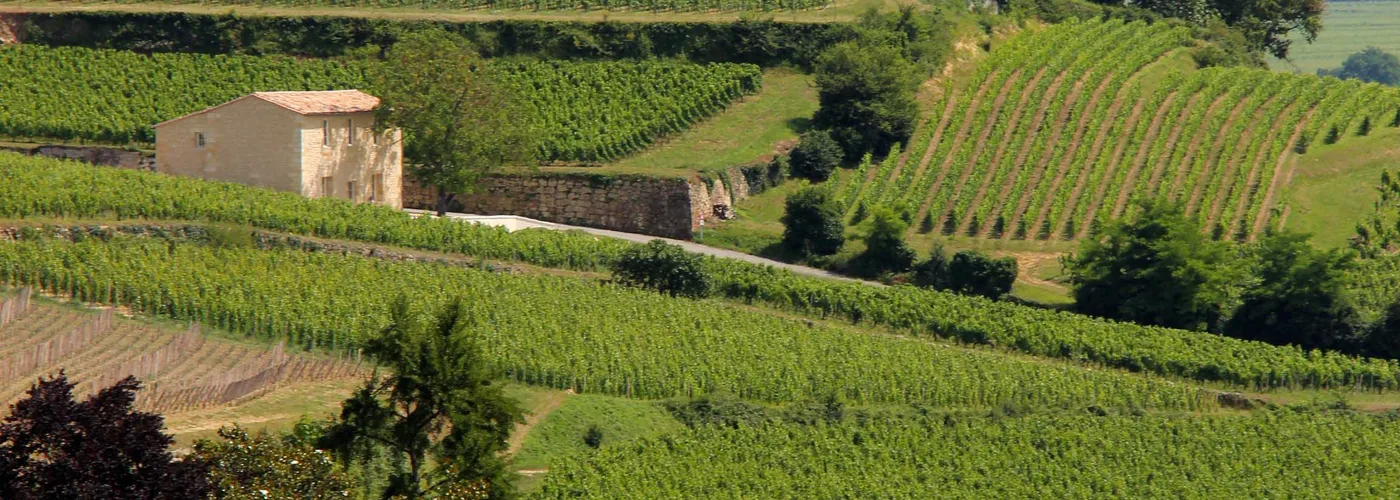
The jurisdiction of Saint-Émilion covers eight communes on the north slope of the Dordogne valley, about 35 kilometres northeast of Bordeaux in the Libournais. The medieval town gave its name to an administrative territory in the Middle Ages, and the boundaries drawn then still define the appellation today. In 1999 the whole of it, some 7,800 hectares of vineyard together with the town, was inscribed on the UNESCO World Heritage list as a cultural landscape, the first wine region to be recognised that way.
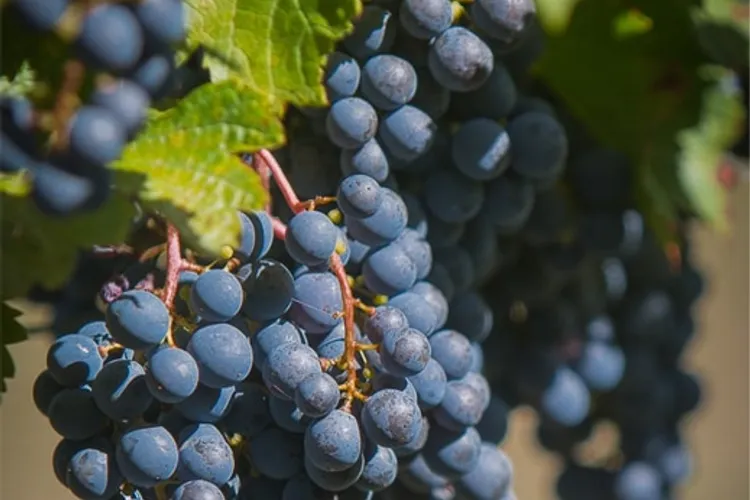
The ground divides into a limestone plateau around the town, with its cellars cut into the rock beneath, the steep côtes falling away from its edge, and sand and gravel on the lower ground towards Pomerol. Merlot leads everywhere, supported by Cabernet Franc, which performs better on this cool clay and limestone than the Cabernet Sauvignon of the left bank. The estates are small by Médoc standards, and the classification here is revised roughly every ten years.