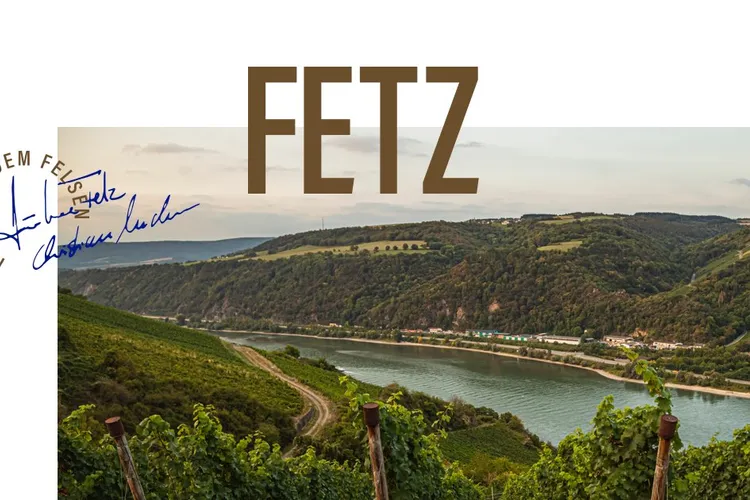
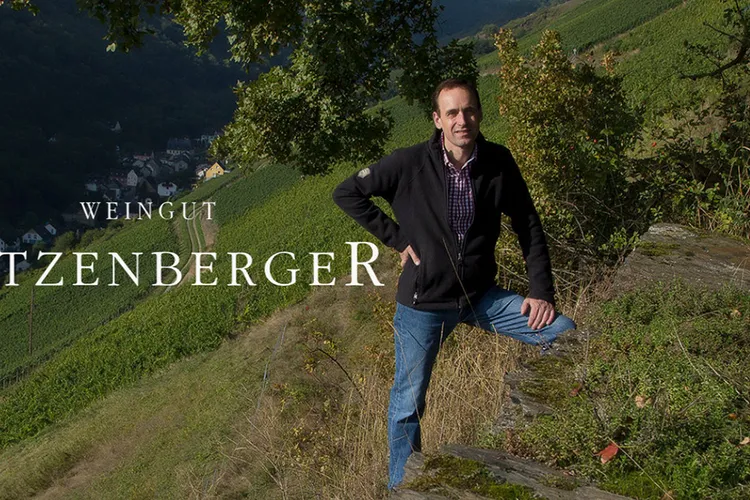
For a short stretch near Wiesbaden the Rhine turns and runs east to west, and the whole north bank of that bend faces due south. That accident of geography is the Rheingau. The Taunus hills shelter the slope from the north, the wide river reflects light and moderates the temperature, and the result is one of the warmest and most consistent sites in German viticulture, planted almost entirely to Riesling.
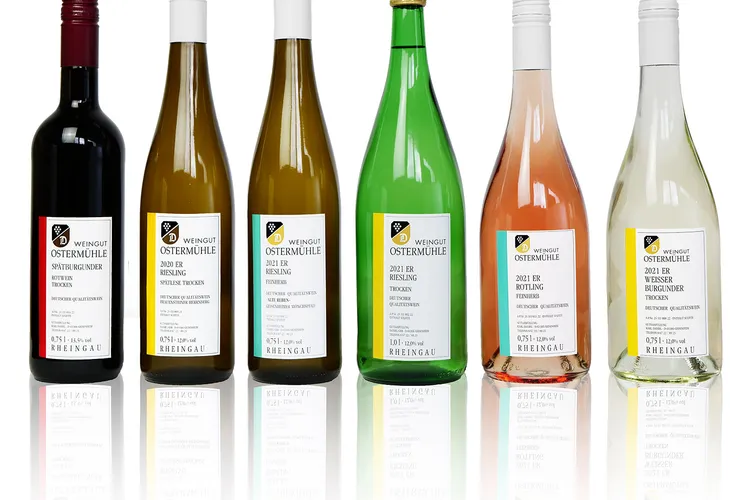
The region's influence is out of all proportion to its three per cent of the German vineyard. Schloss Johannisberg is where late harvesting was discovered, by accident, in the eighteenth century, and the Prädikat system of ripeness levels grew out of practices worked out here. Geisenheim, the research institute that trained much of the wine world, is in the middle of it. Assmannshausen at the western end is the exception to the Riesling rule, with a long tradition of Spätburgunder on red slate.