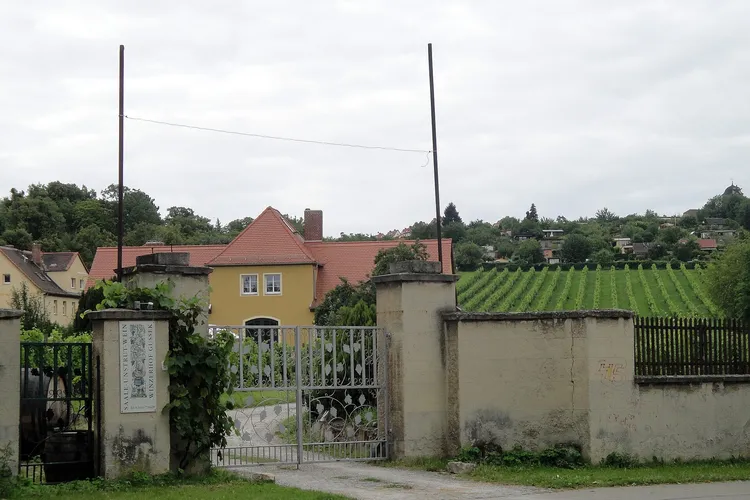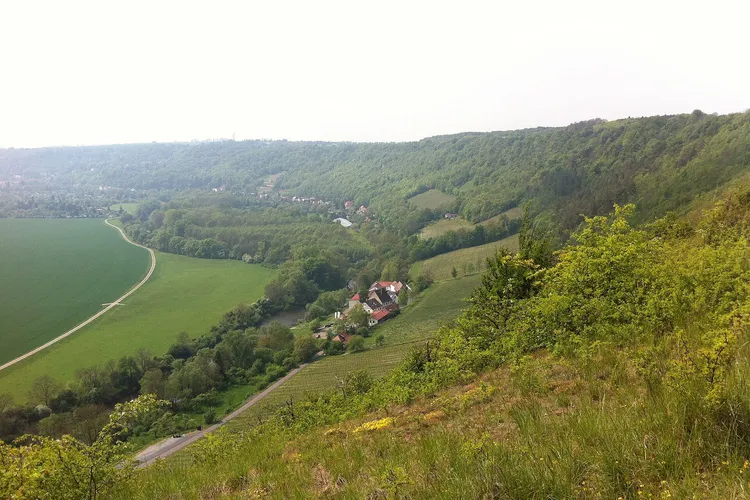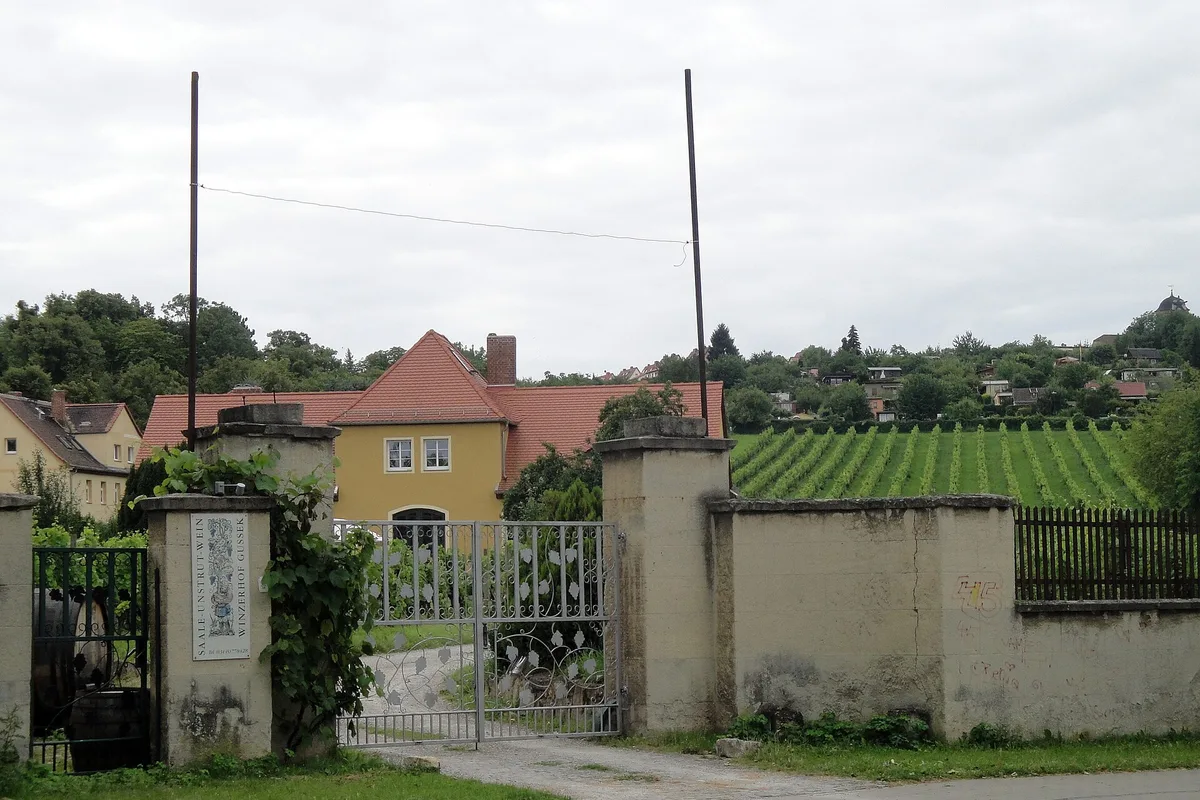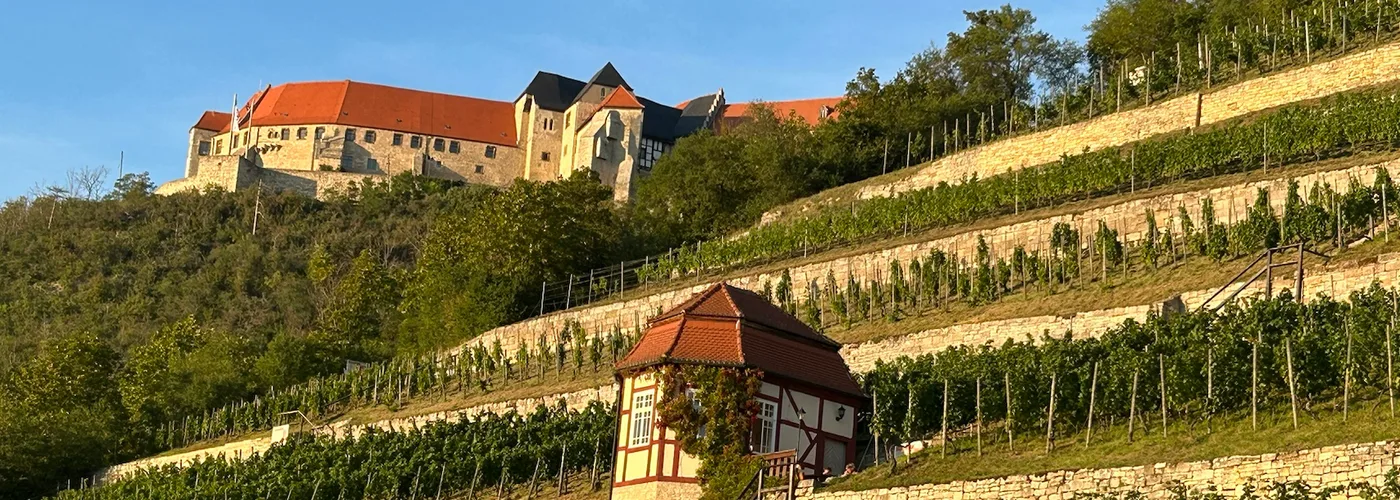
Saale-Unstrut takes its name from two rivers that meet in Saxony-Anhalt, and at roughly 685 hectares it is among the smallest German regions and one of the two furthest north. Vines have been grown here since at least the eleventh century, planted by Cistercian monks, and the dry stone terraces they cut into the shell limestone slopes around Freyburg and Naumburg are still in use.
The climate is dry and continental, with low rainfall and real frost risk, so the varieties are those that ripen early and reliably: Müller-Thurgau, Weissburgunder, Silvaner and Riesling, with a modest amount of red. The wines are dry, light and sharply defined. The region spent the socialist period producing for a captive domestic market and has rebuilt since 1990 around a small number of estates and the Rotkäppchen sparkling wine cellars at Freyburg, which are by far its largest business.