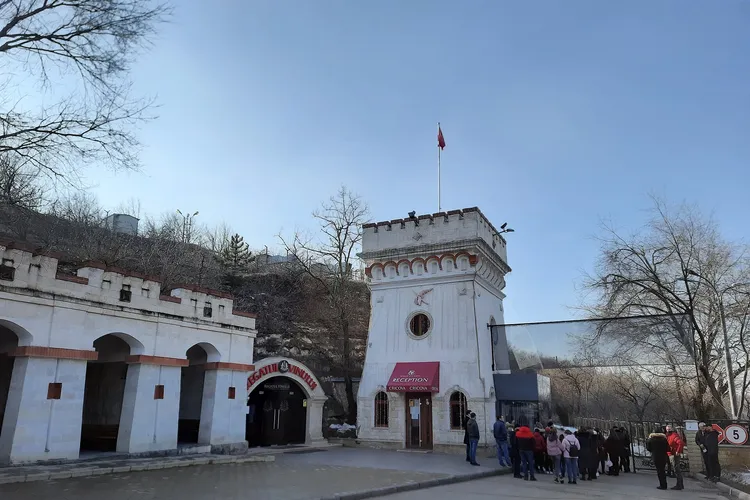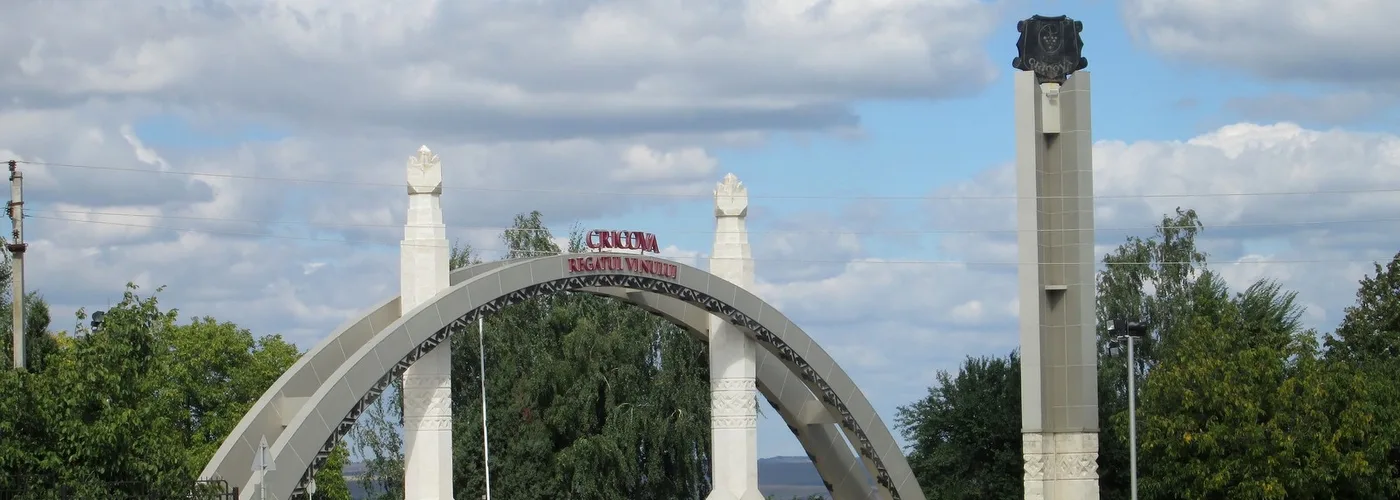
Cricova lies fifteen kilometres north of Chișinău and is less a vineyard than a city underground. Limestone was quarried here from the fifteenth century to build the capital, and the tunnels left behind were converted into wine cellars in the 1950s: more than 120 kilometres of galleries, 80 metres down, at a constant 12 to 14 degrees and high humidity, with street names and traffic signs because people drive through them.
The cellars hold over a million bottles, including a collection assembled from confiscated European stock after the war. Cricova's own production is built on sparkling wine made by the traditional method, a speciality developed here under Soviet rule and still the house's main business, alongside still reds and whites from the surrounding vineyards. The tunnels are Moldova's single best known attraction and the reason most visitors to the country end up in a wine cellar.