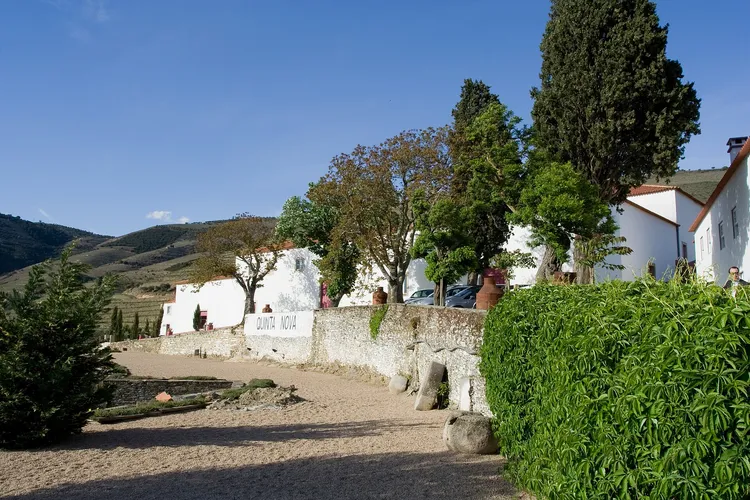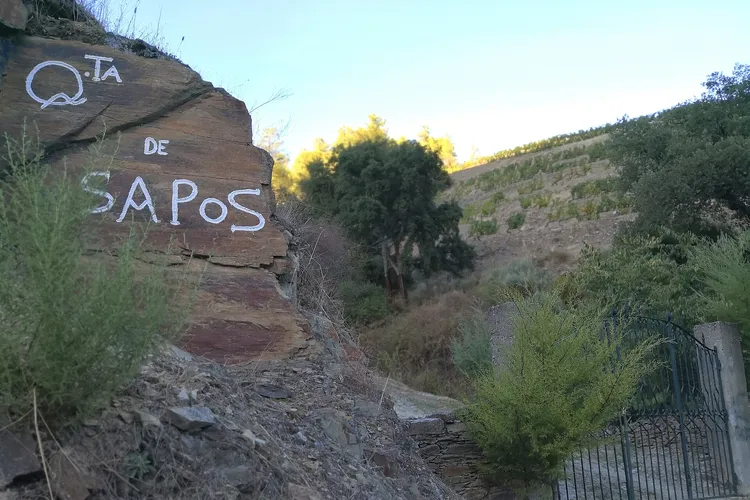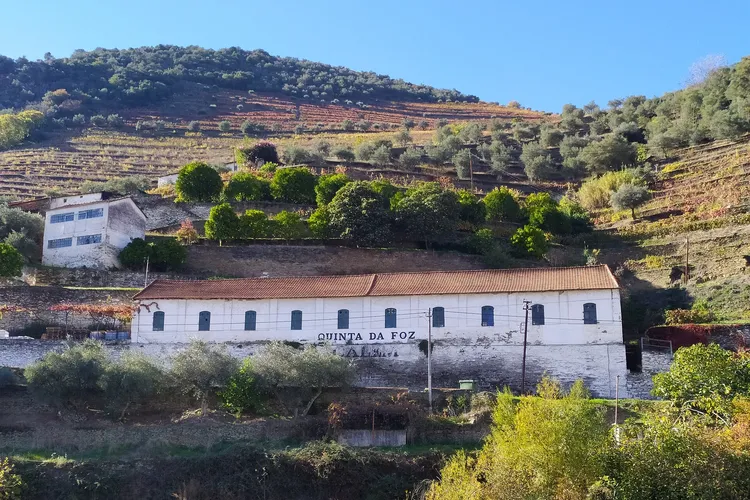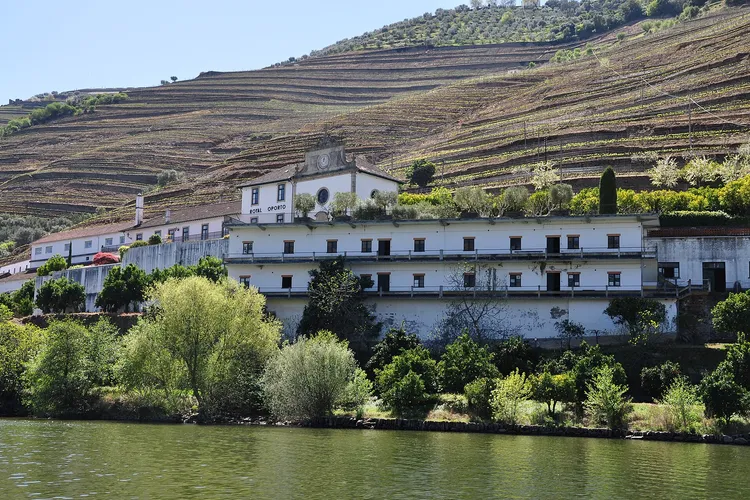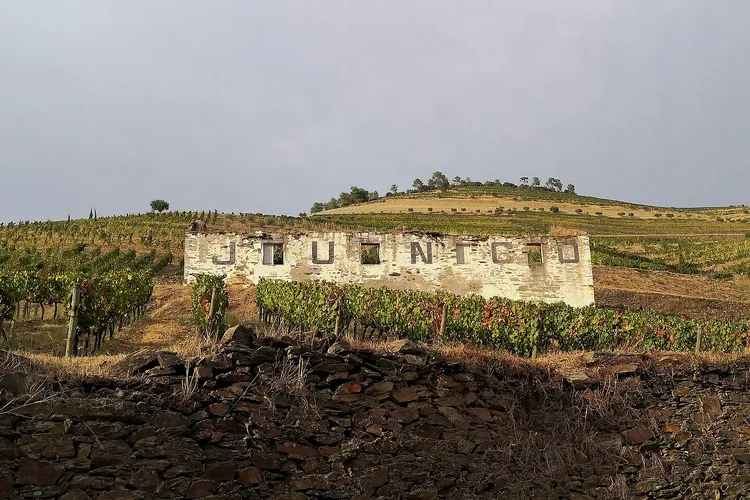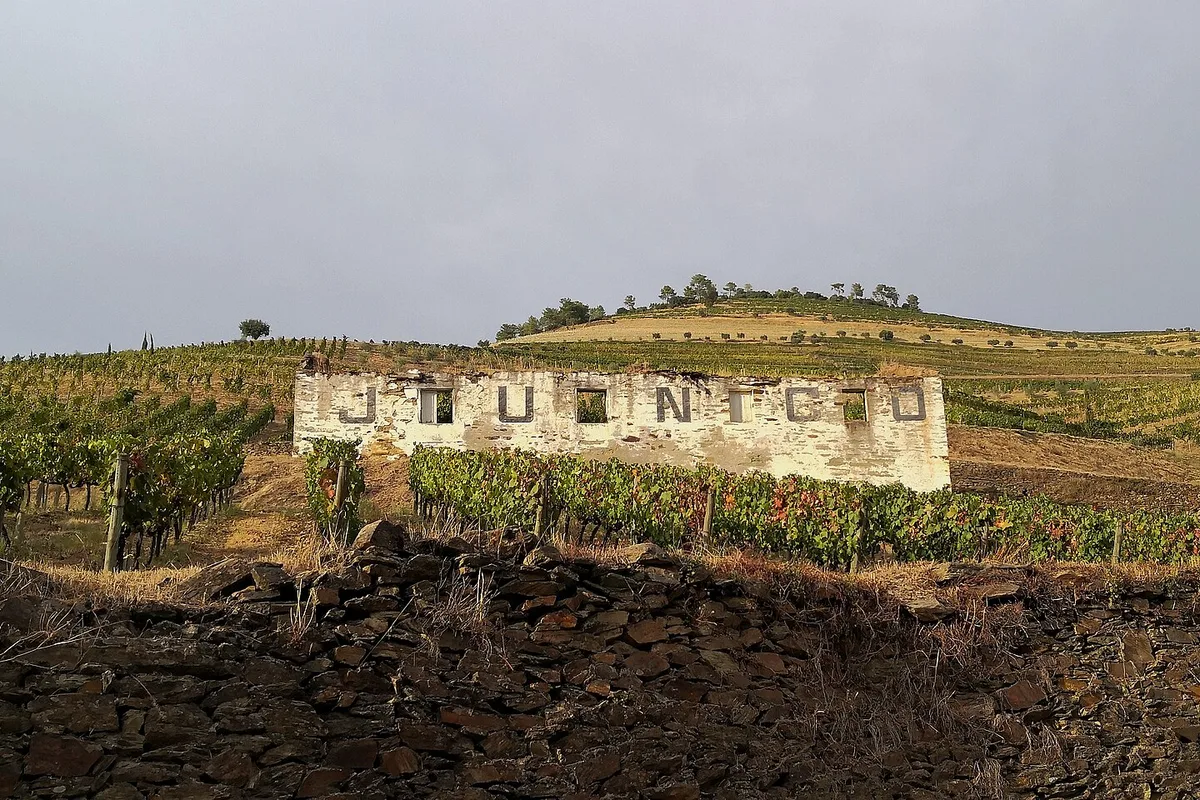
The Douro runs west out of Spain through a gorge of hard schist, and the vineyards are cut into its walls as terraces held by dry stone, some of them narrow enough for a single row of vines. Summers are fierce, rainfall is low, and the rock splits vertically, which lets roots go down many metres to find water. The region was demarcated in 1756, the first in the world to have its boundaries set by law and its wines regulated by a state body.
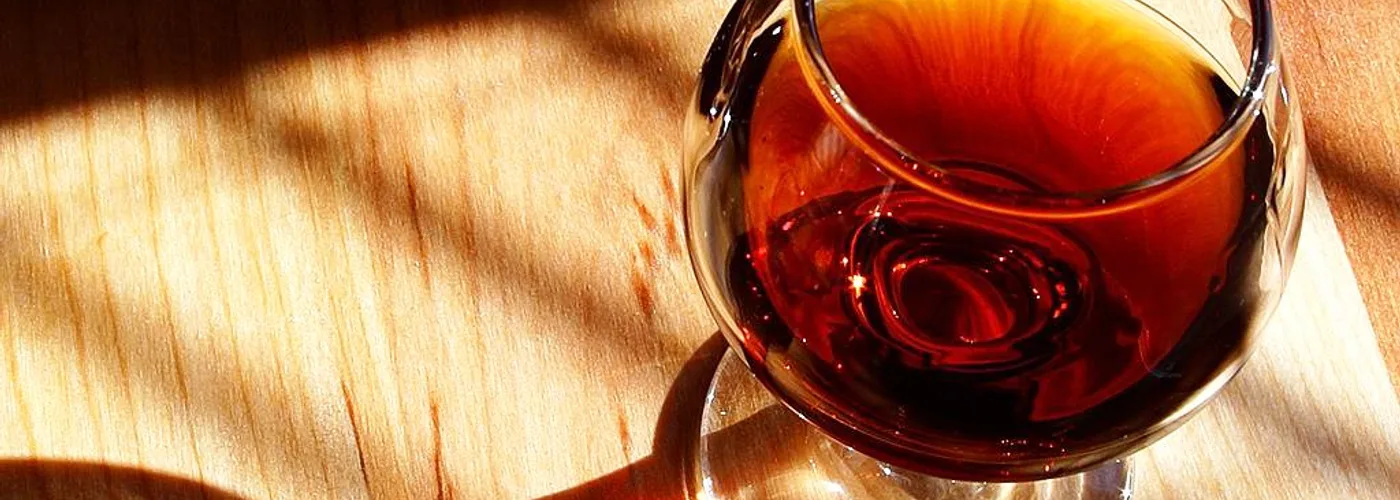
Port is made by stopping the fermentation with grape spirit while the sugar is still high, which leaves the wine sweet and strong, and the great houses then age it either in cask, giving tawny, or in bottle, giving vintage. Touriga Nacional, Touriga Franca, Tinta Roriz and Tinta Barroca do most of the work. Since the 1990s a growing share of the crop has gone into unfortified Douro reds instead, and those table wines are now among the best in Portugal.