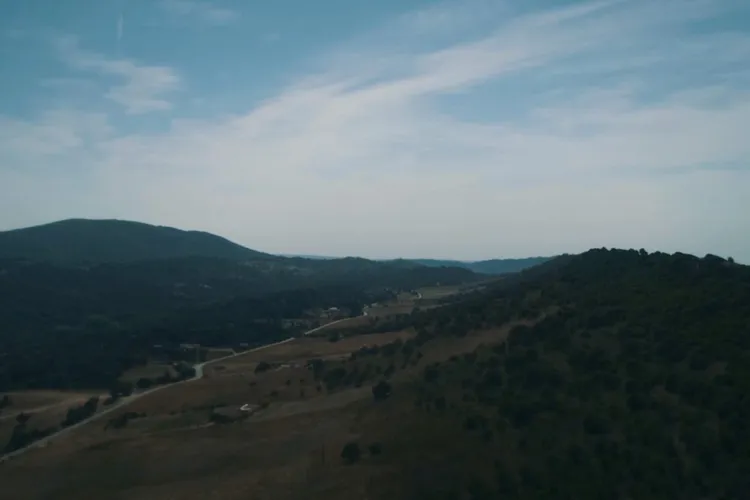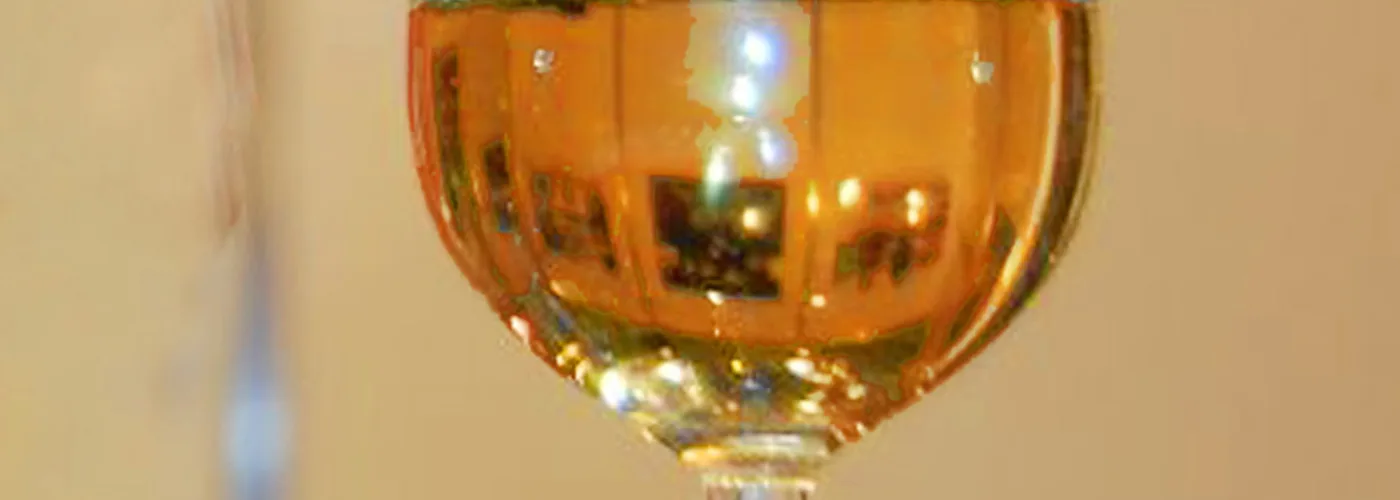
The Setúbal peninsula lies just south of Lisbon, between the Tagus and the Sado, with the limestone ridge of the Serra da Arrábida running along its southern edge and sandy plains to the north. The region is best known for one wine: Moscatel de Setúbal, a fortified muscat made by stopping the fermentation with spirit and then leaving the skins macerating in the finished wine for months, which gives it an intensity of orange peel and raisin that few muscats reach.
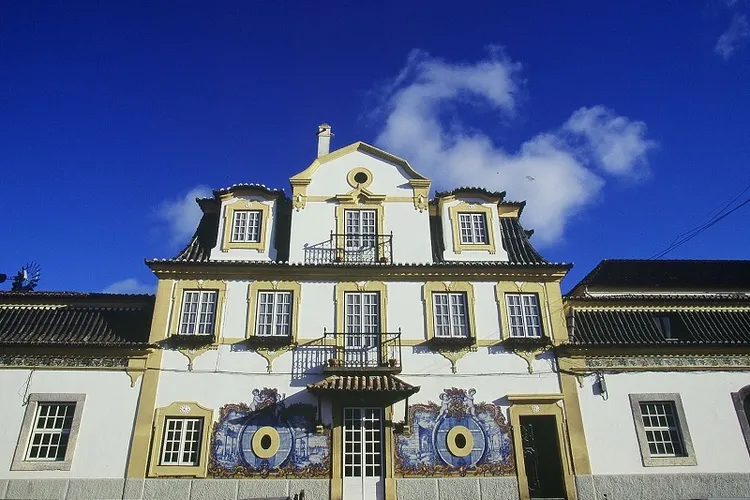
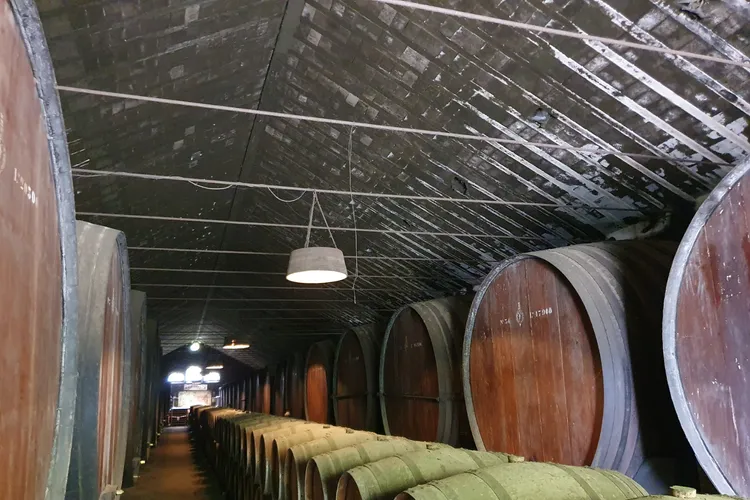
The style was shaped in the nineteenth century by José Maria da Fonseca, whose house at Azeitão dates from 1834 and still holds a stock of very old reserves. Moscatel de Setúbal comes from the common white muscat; the rarer Moscatel Roxo, a pink skinned mutation, makes a smaller and more prized version. The peninsula also produces a good deal of ordinary red from Castelão on the sandy ground around Palmela.